
Arthroscopy is a minimally invasive orthopedic procedure that allows surgeons to diagnose and treat joint problems through tiny incisions using a specialized camera — the arthroscope. Dr. Vijay Kulkarni, a skilled orthopedic surgeon on Kanakapura Road, Bangalore, performs arthroscopy for the knee, hip, shoulder, and ankle joints. This keyhole technique offers patients shorter hospital stays, faster recovery, minimal scarring, and reduced post-operative pain compared to open surgery. Whether it’s a torn meniscus, rotator cuff injury, or labral tear, Dr. Kulkarni’s expertise in arthroscopic surgery delivers precise, effective outcomes — helping patients in Kanakapura Road and across South Bangalore return to their normal lives swiftly.

Minimally invasive procedure for diagnosing and treating knee joint injuries and disorders.
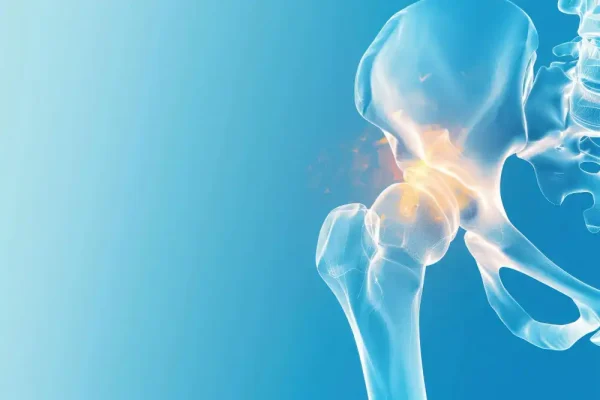
Advanced keyhole surgery for treating hip joint pain, labral tears, and mobility issues.
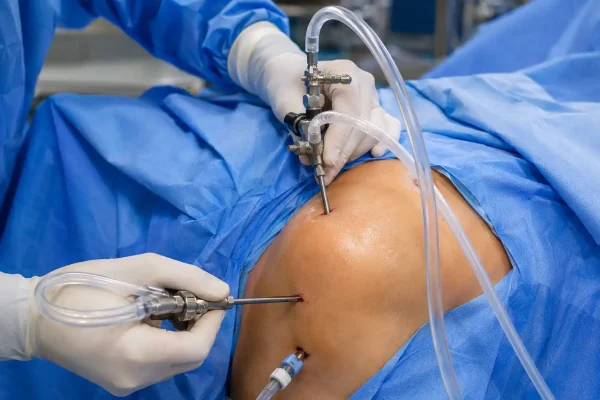
Minimally invasive treatment for shoulder injuries, rotator cuff tears, and joint instability.
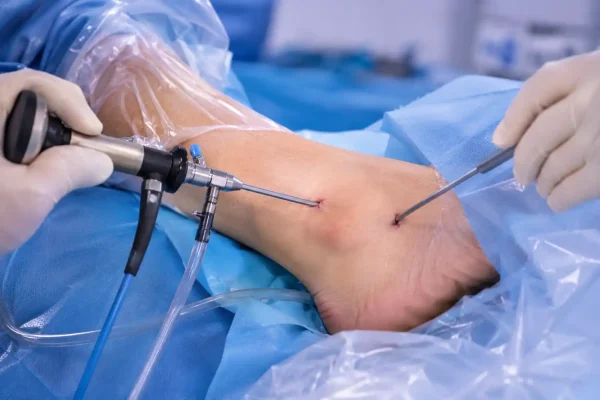
Precision arthroscopic procedure for ankle injuries, ligament damage, and joint conditions.
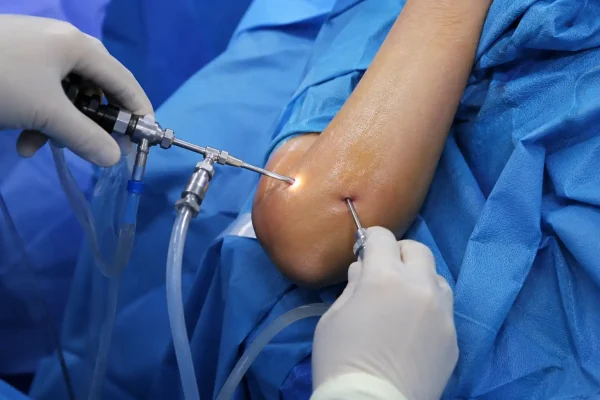
Advanced minimally invasive surgery for elbow pain, stiffness, and sports-related injuries.
Arthroscopy can be performed on the knee, hip, shoulder, ankle, elbow, and wrist joints. Dr. Vijay Kulkarni specializes in knee, hip, shoulder, and ankle arthroscopy to treat conditions such as meniscal tears, rotator cuff injuries, labral tears, ligament injuries, and ankle impingement.
No. Arthroscopy is a minimally invasive keyhole procedure performed through small incisions, usually less than 1 cm in size. Most procedures involve less tissue disruption, reduced pain, and faster recovery compared to traditional open surgery.
Most arthroscopic procedures take between 30 minutes and 2 hours depending on the joint involved and the complexity of the condition being treated. Procedures such as ACL reconstruction generally take longer than simple meniscal repairs or trimming.
Yes. Physiotherapy is a vital part of recovery after arthroscopy. Rehabilitation helps restore strength, flexibility, balance, and normal joint function. Recovery programs may range from a few weeks for minor procedures to several months for ligament reconstruction surgeries.
Arthroscopy is generally very safe, but potential risks include infection, blood clots, bleeding, nerve injury, instrument-related complications, and post-operative stiffness. These complications are uncommon when performed by an experienced orthopedic surgeon.
Knee arthroscopy is commonly used to treat meniscal tears, ACL and PCL injuries, cartilage damage, loose bodies within the joint, synovitis, plica syndrome, and certain causes of knee pain and instability.
Most patients can begin walking with crutches on the same day as surgery. Depending on the procedure performed, many patients walk without support within one to two weeks, while more complex reconstructions may require a longer rehabilitation period.
Arthroscopy may be performed under general anesthesia, spinal anesthesia, or regional nerve blocks. The choice depends on the joint being treated, the complexity of the procedure, and patient-specific factors.
Arthroscopy is a minimally invasive procedure used to diagnose and repair joint problems through small incisions. Arthroplasty, on the other hand, is joint replacement surgery where damaged joint surfaces are replaced with artificial implants to restore function and relieve pain.