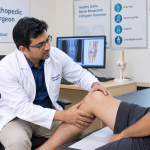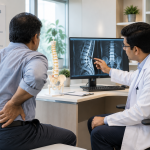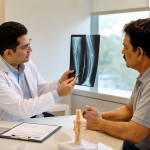

If ordinary tasks like walking, climbing stairs, or getting up from a chair have become painful, you’re not alone. Millions of adults live with chronic knee pain caused by arthritis, injury, or years of wear and tear. Recognizing the early signs you need knee replacement surgery can help you avoid unnecessary suffering and make informed decisions about your treatment. This guide walks you through the warning signs, causes, and treatment options available — including advanced robotic knee replacement in Bangalore.
Signs you need knee replacement surgery include persistent knee pain, stiffness, swelling, grinding sounds, reduced range of motion, and difficulty walking or climbing stairs that doesn’t improve with rest, medication, or physiotherapy. If daily activities become difficult and X-rays confirm severe joint damage, surgery may be recommended.
Knee replacement surgery is typically recommended when chronic knee pain and stiffness interfere with daily life and conservative treatments no longer help. Common signs include persistent pain, morning stiffness, swelling, grinding or clicking sounds, knee instability, and difficulty walking, climbing stairs, or sleeping due to pain. X-rays showing significant cartilage loss or bone-on-bone contact often confirm the need for surgery. An orthopedic evaluation helps determine whether non-surgical options or knee replacement is the right next step, with robotic techniques now offering greater precision and faster recovery.
Understanding Knee Replacement Surgery
What Is Knee Replacement Surgery?
Knee replacement surgery, also called knee arthroplasty, involves removing damaged cartilage and bone from the knee joint and replacing it with an artificial implant. It’s typically considered only after non-surgical treatments fail to relieve pain and restore function.
Who May Need It?
People with advanced osteoarthritis, rheumatoid arthritis, or joint damage from old injuries may eventually need knee replacement — especially when pain limits mobility and quality of life.
Common Causes of Knee Joint Damage
- Cartilage breakdown from osteoarthritis
- Autoimmune joint inflammation (rheumatoid arthritis)
- Old sports or accident injuries
- Long-term joint stress from obesity
- Natural wear and tear with age
15 Early Signs You May Need Knee Replacement Surgery
1. Persistent Knee Pain
Ongoing pain that doesn’t ease with rest or over-the-counter medication is often the first sign of advancing joint damage.
2. Pain While Walking or Climbing Stairs
Sharp or aching pain when walking, especially on stairs or inclines, suggests cartilage wear affecting the knee’s shock absorption.
3. Knee Stiffness in the Morning
Stiffness that takes longer than 30 minutes to ease after waking up can point to arthritis progression.
4. Difficulty Standing After Sitting
Struggling to stand from a chair or car seat is a common sign that knee support and flexibility are declining.
5. Swelling That Doesn’t Improve
Chronic swelling — even after rest, ice, or medication — often reflects ongoing inflammation inside the joint.
6. Reduced Range of Motion
Difficulty fully bending or straightening the knee affects everyday movements like squatting or kneeling.
7. Bow-Legged or Knock-Kneed Appearance
Visible changes in leg alignment happen when cartilage wears unevenly, shifting the knee’s structure over time.
8. Grinding or Clicking Sounds
A sensation or sound of bone rubbing against bone (crepitus) usually indicates significant cartilage loss.
9. Knee Instability or Giving Way
A knee that buckles or feels like it might give out signals weakened joint support and increases fall risk.
10. Difficulty Performing Daily Activities
Struggling with routine tasks — shopping, gardening, or household chores — often marks a turning point toward surgical evaluation.
11. Pain Disturbing Sleep
Knee pain that wakes you at night or makes it hard to find a comfortable position is a sign the joint damage is affecting quality of life.
12. Limited Response to Medications
When anti-inflammatory medications and pain relievers stop working, it usually means the underlying joint damage has progressed.
13. Repeated Need for Pain Injections
Needing frequent cortisone or lubricant injections for temporary relief suggests conservative care is reaching its limits.
14. X-Rays Showing Severe Joint Damage
Imaging showing bone-on-bone contact, bone spurs, or significant cartilage loss is one of the clearest indicators for surgery.
15. Significant Decline in Quality of Life
When knee pain affects work, sleep, mood, and independence, it’s time to discuss surgical options with a specialist.
Causes of Severe Knee Arthritis
- Osteoarthritis — gradual cartilage breakdown from wear and tear
- Rheumatoid arthritis — autoimmune inflammation damaging joint tissue
- Previous injuries — ligament tears or fractures accelerating joint degeneration
- Obesity — excess weight increasing joint load and cartilage stress
- Age-related wear and tear — natural thinning of cartilage over time
Risk Factors
- Age (most common after 50)
- Excess body weight
- Family history of arthritis
- Previous sports injuries
- Occupations involving repetitive kneeling or heavy lifting
- Sedentary lifestyle or muscle weakness around the joint
Diagnosis by an Orthopedic Specialist
An accurate diagnosis combines:
- Medical history — understanding pain patterns, past injuries, and lifestyle factors
- Physical examination — assessing swelling, alignment, stability, and range of motion
- Imaging tests
- X-ray — shows joint space narrowing and bone changes
- MRI — evaluates cartilage, ligaments, and soft tissue
- CT scan — used in complex cases for detailed bone imaging
Non-Surgical Treatment Options
Before considering surgery, most patients try:
- Physiotherapy — strengthening muscles around the knee
- Weight management — reducing joint load
- Activity modification — avoiding high-impact movements
- Medications — anti-inflammatory drugs for pain relief
- Knee braces — providing support and stability
- PRP therapy — promoting tissue healing using the body’s own platelets
- Hyaluronic acid injections — lubricating the joint to ease friction
When Is Knee Replacement Recommended?
Knee replacement is generally recommended when conservative treatments no longer relieve pain, mobility keeps declining, and X-rays confirm significant joint damage. If daily life is consistently affected despite medication, physiotherapy, and lifestyle changes, surgery may offer the most lasting relief.
Types of Knee Replacement Surgery
Partial Knee Replacement
Replaces only the damaged part of the knee, preserving healthy bone and tissue — suitable for localized arthritis.
Total Knee Replacement
Replaces the entire knee joint surface, recommended for widespread joint damage.
Robotic Knee Replacement
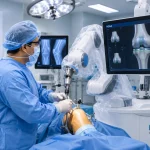
Robotic-assisted surgery uses advanced imaging and precision tools to improve surgical accuracy. Benefits include:
- Greater surgical precision
- Smaller incisions
- Better implant alignment
- Faster recovery in many cases
- Improved long-term joint function
Recovery After Knee Replacement
- Hospital stay — typically a few days post-surgery
- Walking timeline — most patients begin walking with support within 24–48 hours
- Physiotherapy — essential for regaining strength and motion, usually starting soon after surgery
- Returning to work — desk jobs often resume in a few weeks; physical jobs take longer
- Driving — generally resumes once comfortable knee control and reflexes return
- Full recovery — most patients see significant improvement within a few months, with continued gains over the following year
Prevention Tips
- Maintain a healthy body weight
- Strengthen muscles around the knee, especially the quadriceps
- Stay physically active with low-impact exercise
- Avoid repetitive high-impact activities
- Manage arthritis symptoms early with proper care
- Schedule regular orthopedic checkups if you’re at risk
When to Consult a Knee Specialist
See an orthopedic surgeon if you experience persistent pain, stiffness, swelling, instability, or difficulty with daily activities that doesn’t improve with rest or home care. Early evaluation helps determine the right treatment path before joint damage worsens.
Comparison Tables
Early Arthritis vs Advanced Arthritis
| Feature | Early Arthritis | Advanced Arthritis |
| Pain | Occasional, activity-related | Constant, even at rest |
| Stiffness | Mild, brief | Prolonged, affects daily function |
| Swelling | Minimal | Frequent and persistent |
| X-ray findings | Slight joint space narrowing | Bone-on-bone contact |
| Treatment | Physiotherapy, lifestyle changes | Surgery often recommended |
Temporary Knee Pain vs Knee Replacement Symptoms
| Feature | Temporary Knee Pain | Knee Replacement Symptoms |
| Duration | Days to weeks | Months to years |
| Response to rest | Improves | Little to no improvement |
| Impact on mobility | Minor | Significant |
| Imaging | Usually normal | Shows joint damage |
Non-Surgical Treatment vs Knee Replacement
| Aspect | Non-Surgical Treatment | Knee Replacement |
| Best for | Mild to moderate arthritis | Severe, advanced joint damage |
| Recovery time | None to minimal | Several weeks to months |
| Pain relief | Temporary | Long-term |
| Invasiveness | Non-invasive | Surgical |
Traditional vs Robotic Knee Replacement
| Aspect | Traditional Knee Replacement | Robotic Knee Replacement |
| Precision | Manual technique | Computer-assisted precision |
| Incision size | Standard | Often smaller |
| Implant alignment | Surgeon-dependent | Enhanced accuracy |
| Recovery | Standard timeline | Potentially faster in select patients |
Frequently Asked Questions:
- What are the first signs you need knee replacement surgery?
Early signs include persistent knee pain, stiffness, swelling, and difficulty walking or climbing stairs that doesn’t improve with rest, medication, or physiotherapy over time. - Can I delay knee replacement?
Yes, if arthritis is mild to moderate, non-surgical treatments like physiotherapy, weight management, and injections can help delay surgery, though severe joint damage eventually requires surgical treatment. - At what age is knee replacement recommended?
Most patients undergo knee replacement between ages 50 and 70, though it can be performed at any age when severe arthritis significantly impacts mobility and quality of life. - How painful is knee replacement surgery?
Modern pain management techniques control discomfort effectively during and after surgery. Most patients report manageable pain that improves steadily with physiotherapy and prescribed medication. - Is robotic knee replacement better?
Robotic knee replacement offers greater precision in implant placement and alignment, which can improve long-term outcomes and, for many patients, support a smoother recovery. - Can physiotherapy prevent knee replacement?
Physiotherapy can strengthen muscles, reduce pain, and delay progression in early to moderate arthritis, but it cannot reverse severe cartilage loss requiring surgery. - How long does an artificial knee last?
Most modern knee implants last 15–20 years or longer, depending on activity level, weight, and how well post-surgical care guidelines are followed. - Can I climb stairs after surgery?
Yes, most patients regain the ability to climb stairs comfortably within a few weeks after surgery, with continued improvement through physiotherapy. - How do I know if arthritis is severe?
Severe arthritis typically causes constant pain, significant stiffness, visible swelling, and X-ray evidence of bone-on-bone contact or major cartilage loss. - Is knee replacement safe for older adults?
Yes, knee replacement is generally safe for older adults when performed after proper medical evaluation, with most patients experiencing significant pain relief and improved mobility.
Conclusion
Chronic knee pain shouldn’t be something you simply live with. Recognizing the early signs you need knee replacement surgery — from persistent pain and stiffness to grinding sounds and declining mobility — can help you seek timely care before joint damage worsens. Whether your treatment plan involves physiotherapy, medication, or advanced robotic knee replacement, early evaluation gives you the best chance at a pain-free, active life.
Book Now:
Living with knee pain in JP Nagar, Jayanagar, Banashankari, Bannerghatta Road, Doddakallasandra, or Vajrahalli? Don’t wait for the pain to worsen. Book a consultation with Dr. Vijay Kulkarni for an expert diagnosis, personalized treatment plan, and access to advanced robotic knee replacement if needed. Take the first step toward pain-free movement today.