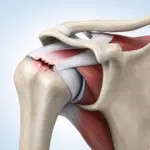

If you’ve spent the last few nights tossing, turning, and wincing every time you shift onto your shoulder, you already know how exhausting this problem can be. Shoulder pain at night doesn’t just steal your sleep — it wears down your mood, your focus at work, and your patience the next day. You’re not imagining it either: shoulder pain genuinely does feel worse after dark for several medical reasons, ranging from reduced blood flow in certain positions to underlying conditions like rotator cuff tears or frozen shoulder. This guide walks you through exactly why this happens, what conditions are commonly responsible, and what you can do tonight — and long term — to finally get some rest.
Shoulder pain often worsens at night because lying down increases pressure on inflamed tendons and the bursa, reduces natural movement that normally eases stiffness, and removes daytime distractions that mask discomfort. Conditions like rotator cuff tears, frozen shoulder, and bursitis are common underlying causes and usually need proper diagnosis and treatment.
Shoulder pain frequently intensifies at night due to a combination of mechanical pressure, reduced circulation, and inflammation that becomes more noticeable when the body is still. Sleeping directly on the affected shoulder compresses tendons and the bursa, while certain positions restrict blood flow to already irritated tissue. Common causes include rotator cuff tears, frozen shoulder (adhesive capsulitis), subacromial bursitis, tendinitis, shoulder impingement, arthritis, and labral tears. Diagnosis typically involves a physical examination combined with imaging such as X-rays, ultrasound, or MRI. Treatment ranges from rest, ice or heat therapy, and physiotherapy to injections or arthroscopic surgery in more advanced cases. Adjusting sleep position and pillow support can also meaningfully reduce night pain while the underlying issue is addressed by an orthopedic specialist.
Why Shoulder Pain Gets Worse at Night
There’s a real physiological explanation for why shoulder pain seems to intensify once you lie down. During the day, movement keeps blood circulating through the shoulder joint and surrounding soft tissue. This circulation helps flush out inflammatory chemicals and keeps stiffness at bay. At night, when you’re lying still for hours, that natural movement stops, allowing fluid and inflammatory markers to pool around irritated tendons and the bursa.
Lying down also changes the mechanical load on your shoulder. If you sleep on the affected side, your body weight directly compresses tendons, the bursa, and the rotator cuff against the bone underneath. Even sleeping on your back can increase pressure if the arm isn’t properly supported, causing the shoulder to roll forward into an unnatural position for hours at a time.
There’s also a psychological and sensory component. During the day, work, conversation, and general activity distract your brain from low-level pain signals. At night, with fewer distractions and a quiet environment, the same level of pain becomes far more noticeable. This doesn’t mean the pain is “in your head” — it simply means your nervous system has fewer competing signals to filter it out.
Understanding Shoulder Anatomy
The shoulder is the most mobile joint in the human body, and that flexibility comes at the cost of stability. It’s a ball-and-socket joint formed where the head of the humerus (upper arm bone) meets the glenoid, a shallow socket on the shoulder blade. Because the socket is so shallow, the joint relies heavily on surrounding soft tissue for support.
The rotator cuff — a group of four muscles and their tendons — wraps around the head of the humerus and holds it securely in the socket while allowing a wide range of motion. Beneath the rotator cuff sits the subacromial bursa, a small fluid-filled sac that reduces friction between the rotator cuff and the bony arch above it (the acromion). The labrum, a ring of cartilage lining the socket, deepens the joint and helps with stability.
When any of these structures — tendons, bursa, cartilage, or the joint capsule itself — becomes inflamed, torn, or thickened, pain often results, and that pain tends to be more pronounced at night for the reasons described above.
Common Causes of Night Shoulder Pain
Rotator Cuff Tear
A rotator cuff tear occurs when one or more of the rotator cuff tendons is partially or completely torn, often due to age-related wear, repetitive overhead activity, or a fall. Night pain is a hallmark symptom, especially when lying on the affected side. Many patients also notice weakness when lifting the arm or reaching overhead.
Frozen Shoulder (Adhesive Capsulitis)
Frozen shoulder develops when the joint capsule thickens and tightens, dramatically restricting movement. It typically progresses through three stages — freezing, frozen, and thawing — and can last anywhere from several months to over a year. Night pain is often severe during the freezing stage, even without any specific injury.
Shoulder Bursitis
Subacromial bursitis occurs when the bursa becomes inflamed, usually from repetitive overhead motion or prolonged pressure. It causes a deep, aching pain that worsens when lying on the shoulder or reaching overhead.
Tendinitis
Tendinitis refers to inflammation of one or more rotator cuff tendons, commonly from overuse in sports, gym training, or repetitive work tasks. It often causes a dull ache that becomes sharper with movement or nighttime pressure.
Shoulder Impingement
Impingement happens when the rotator cuff tendons get pinched between the humeral head and the acromion during arm movement, especially overhead reaching. Over time, untreated impingement can progress to tendinitis or a tear.
Arthritis
Osteoarthritis of the shoulder involves gradual breakdown of the cartilage covering the joint surfaces, leading to stiffness, grinding sensations, and pain that worsens with rest and inactivity — including sleep.
Labral Tear
A tear in the labrum, the cartilage rim around the shoulder socket, can result from trauma or repetitive strain. It often causes a catching or locking sensation along with deep, aching night pain.
Muscle Strain
Simple muscle strain from overexertion, poor posture, or awkward sleeping positions can also cause night discomfort, though this typically improves within a few days with rest.
Sleeping Positions and Shoulder Pain
Certain sleeping postures put more pressure on the shoulder joint than others:
- Side sleeping on the affected shoulder compresses tendons and the bursa directly, often the most painful position.
- Sleeping on the stomach forces the shoulder into an awkward, rotated position for hours.
- Sleeping on the back without support can let the shoulder drift forward, straining the joint capsule.
- Sleeping on the unaffected side with a supportive pillow under the affected arm is usually the most comfortable option for most shoulder conditions.
Risk Factors
Certain factors increase the likelihood of developing shoulder conditions that cause night pain:
- Age over 40, when tendon wear becomes more common
- Repetitive overhead activity (painting, swimming, tennis, gym training)
- Previous shoulder injury or dislocation
- Poor posture, especially with prolonged desk or computer work
- Diabetes, which is strongly linked to frozen shoulder
- Smoking, which reduces tendon blood supply
- Sedentary lifestyle with weak shoulder-stabilizing muscles
Symptoms to Watch For
While every underlying condition has its own pattern, some symptoms deserve prompt attention:
- Pain that consistently wakes you from sleep
- Weakness when lifting the arm or reaching overhead
- Stiffness that limits range of motion, especially reaching behind the back
- A popping, catching, or grinding sensation
- Swelling or visible deformity around the joint
- Pain that doesn’t improve after two to three weeks of rest
How Shoulder Pain Is Diagnosed
Physical Examination
Diagnosis typically starts with a detailed physical exam, where the orthopedic surgeon checks range of motion, muscle strength, tenderness points, and specific movement tests that help pinpoint which structure is affected.
X-rays
X-rays don’t show soft tissue directly but are useful for identifying bone spurs, arthritis, fractures, or joint space narrowing that may be contributing to pain.
MRI
Magnetic resonance imaging provides detailed images of soft tissue, making it the gold standard for detecting rotator cuff tears, labral tears, and bursitis with high accuracy.
Ultrasound
Ultrasound is a quick, cost-effective way to assess tendon integrity and bursal inflammation, and it can be done dynamically while moving the joint.
CT Scan
CT scans are less commonly used for routine shoulder pain but can help evaluate complex bone fractures or pre-surgical planning in certain cases.
Home Remedies and Self-Care
For mild to moderate discomfort, several self-care measures can help while you arrange a proper evaluation:
- Avoid sleeping directly on the painful shoulder
- Use a supportive pillow to keep the arm in a neutral position
- Apply ice for acute pain and heat for chronic stiffness (see comparison below)
- Take over-the-counter anti-inflammatory medication if appropriate for you
- Gently move the shoulder through a comfortable range rather than keeping it completely still
- Avoid heavy lifting or overhead activity until the pain is evaluated
Ice vs Heat
Ice is generally best for acute pain and swelling, typically within the first 48–72 hours after an injury or flare-up. Heat is more useful for chronic stiffness, such as in frozen shoulder, where it helps relax tight tissue before gentle stretching.
Sleeping Tips for Shoulder Pain Relief
- Sleep on your back with a small pillow supporting the affected arm at your side
- If side sleeping is unavoidable, sleep on the unaffected side and hug a pillow to prevent the top arm from rolling forward
- Use a slightly reclined position (with a wedge pillow) to reduce pressure on the joint
- Keep the room comfortably cool, as warmth can sometimes increase perceived inflammation
- Avoid reaching overhead or lifting anything heavy in the hours before bed
Pillow Positioning
Placing a firm pillow under the elbow and forearm when lying on your back helps keep the shoulder in a neutral, supported position. Side sleepers on the unaffected side benefit from hugging a body pillow, which prevents the affected arm from drooping forward and straining the joint capsule overnight.
Exercises and Physiotherapy
Stretching
Gentle stretches — such as pendulum swings, cross-body stretches, and passive range-of-motion movements — can help maintain flexibility, particularly for frozen shoulder or mild impingement. These should be done within a pain-free range and ideally guided by a physiotherapist initially.
Physiotherapy
Structured physiotherapy is often the first line of treatment for most shoulder conditions. A physiotherapist can design a program combining stretching, strengthening of the rotator cuff and scapular stabilizers, and posture correction, all tailored to the specific diagnosis.
Medical Treatments
Medications
Anti-inflammatory medications can help reduce pain and swelling in the short term, particularly for tendinitis and bursitis. These should be used under medical guidance, especially for anyone with existing health conditions.
Injection Therapy
Corticosteroid injections deliver anti-inflammatory medication directly into the joint or bursa, offering relief for several weeks to months, and are commonly used for bursitis, impingement, and frozen shoulder.
PRP (Platelet-Rich Plasma) overview: PRP therapy uses concentrated platelets from the patient’s own blood, injected into the affected tissue to support the body’s natural healing response. It’s increasingly used for chronic tendon issues, though results vary and it’s typically considered after other conservative measures.
Surgical Treatment Options
When conservative treatment doesn’t provide adequate relief, or when there’s a significant structural tear, surgery may be recommended.
Arthroscopic Surgery
Arthroscopic shoulder surgery uses small incisions and a camera to repair damaged tissue with minimal disruption to surrounding structures. It’s commonly used for rotator cuff repair, labral repair, and treating impingement.
Rotator Cuff Repair
This procedure reattaches torn tendon to the bone, typically performed arthroscopically. It’s generally recommended for full-thickness tears or partial tears that haven’t improved with conservative treatment.
Shoulder Replacement Surgery
For severe arthritis or complex fractures where the joint surfaces are extensively damaged, shoulder replacement surgery replaces the damaged joint surfaces with prosthetic components, aiming to relieve pain and restore function.
Shoulder Surgery Recovery
Recovery timelines vary depending on the procedure, but general patterns include:
- Immediate post-op: Arm immobilized in a sling for a few weeks to protect the repair
- Early phase (2–6 weeks): Gentle passive range-of-motion exercises begin under supervision
- Mid phase (6–12 weeks): Gradual introduction of active movement and light strengthening
- Late phase (3–6 months): Progressive strengthening and return to most daily activities
- Full recovery: Can take anywhere from 4 months to a year depending on the procedure and individual healing
Following the surgeon’s rehabilitation protocol closely has a major influence on long-term outcomes.
Prevention Tips
- Maintain good posture, especially during long hours at a desk
- Warm up before sports or gym sessions involving overhead movement
- Strengthen rotator cuff and scapular muscles regularly
- Avoid repetitive overhead strain without adequate rest
- Address minor shoulder discomfort early rather than pushing through pain
- Manage underlying conditions like diabetes that increase frozen shoulder risk
Comparison Tables
Frozen Shoulder vs Rotator Cuff Tear
| Feature | Frozen Shoulder | Rotator Cuff Tear |
| Onset | Gradual, often without injury | Sudden (trauma) or gradual (wear) |
| Main issue | Joint capsule tightening | Torn tendon fibers |
| Range of motion | Severely restricted in all directions | Often reduced mainly with lifting/overhead |
| Strength | Usually preserved | Often weak, especially lifting arm |
| Common age group | 40–60 years | 40+ years, also younger athletes |
| Typical treatment | Physiotherapy, stretching, injections | Physiotherapy, injections, possible surgery |
Muscle Pain vs Joint Pain
| Feature | Muscle Pain | Joint Pain |
| Location | Localized to muscle belly | Deep within the joint |
| Onset | Often after activity/strain | Can be gradual or activity-related |
| Movement effect | Painful with specific muscle use | Painful across multiple movement directions |
| Duration | Usually resolves in days | May persist without treatment |
| Associated signs | Tenderness on touch | Stiffness, swelling, grinding |
Home Remedies vs Medical Treatment
| Aspect | Home Remedies | Medical Treatment |
| Best for | Mild, short-term discomfort | Persistent, moderate to severe pain |
| Examples | Ice/heat, rest, OTC pain relief | Physiotherapy, injections, imaging-guided diagnosis |
| Speed of relief | Gradual, limited | Often faster and more targeted |
| Addresses root cause | Rarely | Usually, after proper diagnosis |
| When to use | First 1–2 weeks of mild symptoms | Pain beyond 2–3 weeks or worsening symptoms |
Arthroscopy vs Shoulder Replacement
| Feature | Arthroscopic Surgery | Shoulder Replacement |
| Purpose | Repair soft tissue (tendon, labrum) | Replace damaged joint surfaces |
| Incision size | Small (keyhole) | Larger, open approach |
| Best suited for | Rotator cuff tears, labral tears, impingement | Severe arthritis, complex fractures |
| Recovery time | Weeks to a few months | Several months to a year |
| Typical age group | Any age with structural damage | Usually older adults with advanced joint damage |
When to See an Orthopedic Surgeon
While mild, short-lived shoulder discomfort often resolves with rest, certain signs mean it’s time for a professional evaluation:
- Night pain persisting beyond two to three weeks
- Noticeable weakness or difficulty lifting the arm
- Significant loss of range of motion
- Pain following a fall, accident, or sports injury
- Swelling, warmth, or visible deformity around the joint
- Pain that interferes with daily activities or work
Early diagnosis generally means simpler, more conservative treatment options, so it’s worth addressing persistent symptoms sooner rather than later.
Frequently Asked Questions:
- Why does shoulder pain get worse when I lie down? Lying down increases direct pressure on inflamed tendons and the bursa, while reduced movement allows inflammatory fluid to build up around the joint. Fewer daytime distractions also make the pain more noticeable, even though the underlying tissue irritation hasn’t necessarily increased.
- Can a pinched nerve cause shoulder pain at night? Yes, nerve compression in the neck or shoulder region can cause pain, tingling, or numbness that worsens at night, particularly with certain neck positions. This is different from rotator cuff or joint-related pain and may require a targeted neurological or orthopedic evaluation to distinguish the cause.
- Is it normal for shoulder pain to only happen at night? It’s common for shoulder conditions like bursitis or early rotator cuff issues to cause pain mainly at night, since daytime movement can actually help circulation. However, pain that’s isolated to nighttime still deserves evaluation if it persists beyond a couple of weeks.
- How do I know if my shoulder pain is from a rotator cuff tear? Rotator cuff tears often cause weakness when lifting the arm, pain reaching overhead, and a specific ache when sleeping on the affected side. A physical examination combined with ultrasound or MRI is needed to confirm the diagnosis accurately.
- Can frozen shoulder go away on its own? Frozen shoulder can sometimes improve gradually over 12–24 months without treatment, but this is often painful and slow. Physiotherapy, stretching, and sometimes injections can significantly speed up recovery and improve comfort during the process.
- What is the best sleeping position for shoulder pain? Sleeping on your back with a pillow supporting the affected arm, or on your unaffected side while hugging a pillow, generally reduces pressure on the joint. Avoiding direct pressure on the painful shoulder is the main goal regardless of position chosen.
- Should I use ice or heat for shoulder pain at night? Ice is generally better for acute pain and swelling, especially within the first few days of a flare-up, while heat helps relax chronic stiffness, such as in frozen shoulder. Applying heat before bed can sometimes ease stiffness enough to allow more comfortable sleep.
8.Why does my shoulder hurt more at night? Lying still reduces circulation and increases pressure on inflamed tendons or the bursa, while fewer daytime distractions make the pain more noticeable once you’re in bed.
9.Can sleeping on my shoulder make it worse? Yes, sleeping directly on an already irritated shoulder compresses tendons and the bursa, which can worsen pain and disturb sleep quality over time.
10.Is shoulder pain at night serious? It depends on the cause. Occasional mild pain may be minor, but persistent night pain lasting more than two to three weeks should be checked by an orthopedic specialist.
11.Can frozen shoulder cause night pain? Yes, frozen shoulder commonly causes intense night pain, especially during its early “freezing” stage, even without any specific injury triggering it.
12.How should I sleep with shoulder pain? Try sleeping on your back with the arm supported by a pillow, or on your unaffected side while hugging a pillow to keep the painful shoulder elevated and supported.
13.Who is the best shoulder specialist in Bangalore? Dr. Vijay Kulkarni is an experienced orthopedic surgeon in Bangalore specializing in shoulder pain treatment, arthroscopy, and shoulder replacement surgery.
14.What causes rotator cuff pain at night? A rotator cuff tear or tendinitis causes inflammation and mechanical irritation that worsens when lying down, particularly on the affected side.
15.Can a pillow help with shoulder pain? Yes, positioning a supportive pillow under the arm or hugging one while side-sleeping helps keep the shoulder in a neutral position and reduces nighttime pressure.
16.How long does shoulder pain last before needing a doctor? If shoulder pain persists beyond two to three weeks despite rest and self-care, it’s advisable to see an orthopedic surgeon for proper evaluation.
17.Is heat or ice better for shoulder pain at night? Ice works best for acute pain and swelling, while heat is generally more helpful for chronic stiffness, such as in frozen shoulder, before bedtime.
Conclusion
Shoulder pain at night can have several underlying causes, from rotator cuff tears and frozen shoulder to bursitis, tendinitis, and impingement, each requiring a slightly different approach to treatment. While home remedies, better sleep posture, and pillow support can offer short-term relief, persistent or worsening pain deserves a proper orthopedic evaluation rather than guesswork. Getting an accurate diagnosis early — through a physical examination and, if needed, imaging like ultrasound or MRI — generally leads to simpler, more effective treatment and, most importantly, better sleep.
Book Appointment:
If shoulder pain is disrupting your sleep and daily life, you don’t have to manage it alone. Dr. Vijay Kulkarni provides expert shoulder pain evaluation and personalized treatment for patients across JP Nagar, Jayanagar, Banashankari, Bannerghatta Road, Doddakallasandra, and Vajrahalli. Whether you need a straightforward physiotherapy plan or advanced care such as arthroscopic rotator cuff repair or shoulder replacement surgery, early consultation can make recovery smoother and faster. Book an appointment with Dr. Vijay Kulkarni today and take the first step toward pain-free nights.