A sudden twist during football, a bad landing in basketball, or an awkward fall can leave your knee swollen and unsteady. If that sounds familiar, you may be reading about ACL reconstruction surgery in Bangalore and wondering what it involves.
The anterior cruciate ligament (ACL) helps keep the knee stable, especially when you pivot, turn, or change direction quickly. A tear can cause pain, swelling, a feeling of the knee giving way, and trouble returning to some activities.
Not every ACL tear needs surgery. Some people do well with rehabilitation and activity changes. Reconstruction may be considered for ongoing instability, demanding sports, or related injuries. This guide explains the procedure, cost factors, recovery, rehabilitation, risks, and how treatment decisions are made.
When is ACL reconstruction surgery needed?
ACL reconstruction surgery may be considered when an ACL tear causes persistent knee instability, when a patient wants to return to demanding pivoting sports, or when associated injuries affect knee stability. The decision depends on clinical assessment, activity goals, and associated injuries, so not every ACL tear needs surgery.
An ACL tear is an injury to the anterior cruciate ligament, a key stabilizer of the knee. ACL reconstruction replaces the torn ligament with a graft, usually through knee arthroscopy using small incisions. Surgery may be recommended for persistent instability, demanding sports, or associated injuries. Cost in Bangalore varies with hospital charges, graft type, implants, additional procedures, hospital stay, and rehabilitation. Structured physiotherapy is essential, because the graft needs time to heal and the knee needs strength and control. Recovery timelines vary between patients, and return to sport depends on functional assessment and medical clearance rather than a fixed date.
What Is the ACL and What Does It Do?
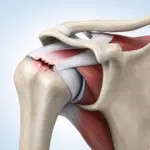
The ACL is a strong band of tissue inside the knee that connects the thigh bone (femur) to the shin bone (tibia). It:
- Helps stabilize the knee
- Limits excessive forward movement of the tibia relative to the femur
- Supports rotational stability
- Helps during pivoting, landing, cutting, and sudden direction changes
An injury can range from a partial tear to a complete tear.
What Causes an ACL Tear?
Most ACL injuries happen when the knee is stressed suddenly. Common causes include:
- Sudden changes in direction
- Pivoting with the foot planted
- Awkward landing after a jump
- Stopping suddenly while running
- Direct impact in contact sports
- Falls and other trauma
Football, basketball, badminton, and kabaddi involve rapid direction changes and carry higher risk. ACL injuries can also happen during everyday activities, such as a slip or misstep.
What Are the Symptoms of an ACL Tear?
Common symptoms include:
- A popping sensation at the time of injury
- Rapid knee swelling
- Knee pain
- Difficulty bearing weight right after the injury
- Reduced knee movement
- A feeling that the knee may give way
- Instability when turning or pivoting
- Difficulty returning to sports
Symptoms alone cannot confirm an ACL tear. Meniscus tears and fractures can feel similar, so a proper assessment is important.
How Is an ACL Tear Diagnosed?
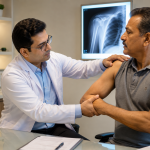
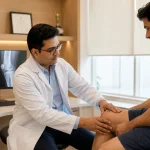
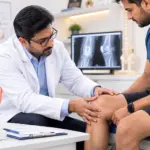
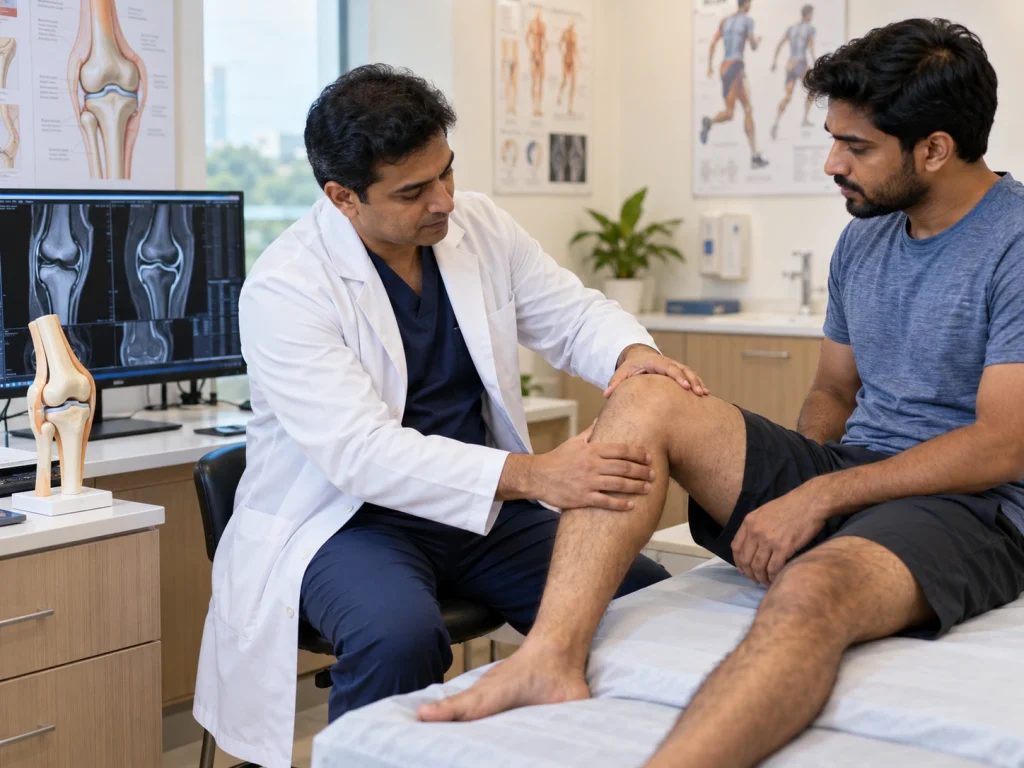
Clinical examination. An orthopedic surgeon asks how the injury happened and checks swelling, tenderness, range of motion, stability, walking, and weight-bearing. They also look for associated ligament or meniscus injuries. Tests such as the Lachman test and pivot-shift test may be used when appropriate.
Imaging tests. These depend on your clinical findings, and not everyone needs every test.
- X-ray: Can identify fractures or certain bone injuries. It does not show the ACL clearly.
- MRI: Commonly used to assess the ACL and associated soft-tissue damage, including meniscus, cartilage, and other ligament injuries.
What Is ACL Reconstruction Surgery?
In ACL reconstruction, the torn ligament is generally replaced with a graft rather than simply stitched back together. The graft usually comes from your own tendon or, in selected cases, from donor tissue. This differs from ACL repair, which tries to reattach the original ligament and is used only in selected situations.
The goals are to restore knee stability and support a return to appropriate activities. Surgeons also check for associated injuries. Surgery does not guarantee a fully restored knee or prevent all future arthritis.
When Is ACL Reconstruction Recommended?
Treatment is individualized. Surgery may be considered when:
- The knee keeps giving way despite appropriate rehabilitation.
- You want to return to sports involving pivoting or cutting.
- Instability interferes with work or daily activities.
- The tear occurs with other injuries, such as a repairable meniscus tear or other ligament damage.
- Your activity goals and clinical findings support reconstruction.
Non-surgical treatment may be appropriate for some partial tears, selected complete tears without significant functional instability, patients willing to modify high-risk activities, and those whose goals can be met with structured rehabilitation. Age alone does not decide whether surgery is needed.
How Is ACL Reconstruction Surgery Performed?
The exact technique depends on the injury, graft choice, anatomy, and surgeon’s assessment. In general:
- Pre-operative assessment: Movement, swelling, stability, associated injuries, and overall health are evaluated. Pre-surgery rehabilitation may help.
- Anaesthesia: An appropriate anaesthesia plan is used.
- Arthroscopic assessment: A camera and instruments are inserted through small incisions.
- Graft preparation: The chosen graft is prepared.
- Tunnel preparation: Bone tunnels are created in the femur and tibia.
- Graft placement: The graft is positioned to reconstruct the ligament.
- Fixation: Devices secure the graft.
- Associated treatment: Some meniscus or cartilage injuries may be treated in the same procedure.
- Rehabilitation: You follow a personalized post-operative plan.
Knee Arthroscopy and ACL Reconstruction
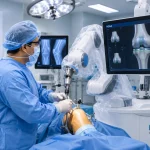
Knee arthroscopy is a minimally invasive technique using a camera and specialized instruments through small incisions. Knee arthroscopy in Bangalore is widely available and is commonly used for ACL reconstruction. It can:
- Allow visualization of structures inside the knee
- Help assess associated injuries
- Support graft placement through small incisions
- May reduce incision size compared with some open procedures
Arthroscopy is a surgical approach, not a ligament replacement method by itself. The graft and fixation are what reconstruct the ACL.
What Graft Options Are Used?
No graft is ideal for everyone. Discuss the choice with your surgeon.
- Hamstring tendon autograft: Tendon from your hamstring region. May suit selected patients.
- Patellar tendon autograft: The central portion of the patellar tendon. May be considered for certain patients and activity needs. It can be linked with front-of-knee pain or pain on kneeling.
- Quadriceps tendon autograft: A portion of the quadriceps tendon, depending on patient and surgical factors.
- Allograft: Donor tissue, used in selected cases. Suitability depends on age, activity level, and clinical circumstances.
What Is the Cost of ACL Reconstruction Surgery in Bangalore?
ACL surgery cost in Bangalore varies considerably, so we do not quote a fixed figure here. Factors include:
- Hospital and facility charges
- Surgeon and anaesthesia fees
- Type of graft
- Implants and fixation devices
- Meniscus repair or other added procedures
- Pre-operative investigations
- Length of hospital stay
- Medicines and consumables
- Physiotherapy and rehabilitation
- Insurance coverage and policy terms
Ask for an itemized estimate and confirm what it includes: the procedure, graft, implants, hospital stay, medicines, follow-up visits, and rehabilitation. The surgical quote may not represent the full cost of recovery.
What Is ACL Surgery Recovery Time?
ACL surgery recovery time varies with graft choice, associated meniscus or cartilage injuries, pre-operative movement and strength, surgical findings, rehabilitation progress, overall health, and work and sporting demands. A general overview:
| Recovery stage | General expectations |
| First few days | Pain and swelling management, safe movement, and prescribed exercises |
| Early weeks | Gradual improvement in movement, walking, and muscle activation per the rehabilitation plan |
| Following months | Progressive strengthening, balance training, and functional exercises |
| Later rehabilitation | Running, jumping, agility, and sport-specific training when appropriate |
| Return to pivoting sports | Often requires many months, objective functional assessment, and surgeon or physiotherapist clearance |
Return to demanding sports commonly takes around 9–12 months or longer for many patients. This is not a guaranteed timeline or clearance rule, and some patients need more time. Being able to walk does not mean the graft is ready for competitive sport.
Physiotherapy After ACL Reconstruction
Rehabilitation is essential. A structured, individualized plan typically covers:
- Controlling swelling
- Restoring knee extension and flexion
- Activating the quadriceps
- Improving hamstring and hip strength
- Gait and balance training
- Gradual exercise progression
- Neuromuscular and sport-specific training
- Functional testing before return to sports
Do not speed up exercises or return to sport just because pain has settled.
Non-Surgical ACL Treatment vs ACL Reconstruction
| Factor | Non-surgical treatment | ACL reconstruction |
| Main approach | Structured rehabilitation and activity modification | Surgical graft reconstruction followed by rehabilitation |
| May suit | Selected patients with adequate functional stability or lower pivoting demands | Patients with persistent instability or goals that support surgery |
| Hospital procedure | Not required for ACL treatment itself | Requires a surgical procedure |
| Physiotherapy | Important | Essential |
| Return to sport | Depends on stability, function, and sport demands | Depends on graft recovery, strength, functional testing, and clearance |
| Decision | Based on symptoms, function, and goals | Based on clinical findings, activity goals, associated injuries, and shared decision-making |
Surgery does not remove the need for rehabilitation, and non-surgical treatment does not mean simply resting the knee.
Possible Risks and Complications
Like any surgery, ACL reconstruction carries risks, including:
- Infection
- Bleeding or blood clots
- Persistent pain or swelling
- Knee stiffness or loss of movement
- Graft stretching or failure
- Ongoing instability
- Numbness near incision sites
- Pain at the graft-harvest site
- Problems involving associated meniscus or cartilage injuries
- Need for further treatment or surgery
Your individual risk depends on your health, injury, procedure, and rehabilitation. Discuss it with your surgeon.
Home Care After ACL Surgery
- Follow your discharge instructions.
- Use crutches or a brace if prescribed.
- Follow weight-bearing instructions.
- Keep dressings and wounds cared for as instructed.
- Take medicines as directed by your clinician.
- Attend follow-up appointments and complete physiotherapy.
- Avoid unapproved twisting, jumping, or high-impact activity.
- Do not drive until medically cleared and able to control the vehicle safely.
Seek prompt medical advice for increasing pain or swelling, fever, wound discharge, or calf swelling or pain. Chest pain or sudden breathlessness needs emergency assessment.
When Should You See an Orthopedic Surgeon?
Seek prompt assessment if:
- The knee swells rapidly after an injury.
- It feels unstable or repeatedly gives way.
- Walking or bearing weight is difficult.
- Pain or restricted movement persists.
- A ligament or meniscus injury is suspected.
- The injury followed a collision or significant fall.
- You want to return to sports after a knee injury.
Severe deformity, an open wound, a cold or pale foot, loss of sensation, or a suspected fracture may need emergency assessment.
ACL Reconstruction Surgery in Bangalore: Finding the Right Care
People searching for ACL reconstruction surgery in Bangalore often need assessment after a sports injury, twisting movement, fall, or episode of knee instability. When looking for an ACL surgeon in Bangalore, choose a qualified orthopedic surgeon who can:
- Assess knee stability and review appropriate imaging
- Explain non-surgical and surgical options
- Discuss graft choices and costs
- Coordinate rehabilitation
Good ACL tear treatment in Bangalore starts with a clear diagnosis and an honest discussion of whether surgery is needed. Patients from areas such as JP Nagar, Jayanagar, Banashankari, Bannerghatta Road, Subramanyapura, Doddakallasandra, and Vajrahalli can seek an orthopedic consultation for knee ligament injuries. Please confirm the consultation location and available services when booking.
Dr. Vijay Kulkarni is an orthopedic surgeon in Bangalore whose areas of expertise include sports injury treatment and arthroscopy. Whether you need knee arthroscopy in Bangalore or a non-surgical plan, understanding ACL surgery recovery time before you decide helps you plan work and sport.
How to Prepare for an ACL Surgery Consultation
Questions to ask:
- Is my ACL tear partial or complete?
- Are there associated meniscus or cartilage injuries?
- Could structured rehabilitation meet my activity goals?
- Why might surgery be recommended in my case?
- Which graft options are appropriate?
- What does the quoted cost include?
- How many physiotherapy sessions might I need?
- What milestones will decide my return to work, running, and sports?
Bring previous imaging reports, medication details, relevant medical history, and information about your activity goals.
Preventing Future Knee Injuries
- Warm up before sports.
- Strengthen your quadriceps, hamstrings, gluteal muscles, and core.
- Practice safe landing and cutting techniques.
- Include balance and neuromuscular training.
- Increase exercise intensity gradually.
- Use appropriate footwear and protective equipment.
- Allow recovery between demanding sessions.
- Follow rehabilitation guidance before returning to sport after an injury.
These steps may reduce risk but cannot prevent every ACL injury.
Frequently Asked Questions:
- What is ACL reconstruction surgery?
ACL reconstruction surgery replaces a torn anterior cruciate ligament with a graft, usually taken from your own tendon or, in selected cases, from donor tissue. It is commonly performed using knee arthroscopy through small incisions. The aim is to restore knee stability and support return to suitable activities, followed by structured rehabilitation. - When is ACL reconstruction surgery needed?
Surgery may be considered when the knee keeps giving way, when you want to return to pivoting sports, or when other injuries such as a repairable meniscus tear affect stability. Not every ACL tear needs surgery. The decision depends on clinical assessment, activity goals, age, health, and associated injuries. - What is the cost of ACL reconstruction surgery in Bangalore?
The cost varies with hospital charges, surgeon and anaesthesia fees, graft type, implants, associated procedures, hospital stay, medicines, physiotherapy, and insurance terms. Because these differ widely, ask for a current, itemized estimate that states what is included, rather than relying on a single figure. - How long does ACL surgery recovery take?
Recovery varies between patients. Walking and daily activities usually return gradually over weeks, while return to demanding sports often takes many months, commonly around 9–12 months or longer. Rehabilitation progress, strength, and functional assessment matter more than a fixed date, and your surgeon or physiotherapist guides each stage. - Can an ACL tear heal without surgery?
A completely torn ACL generally does not heal on its own, but some people function well without reconstruction. Structured rehabilitation and activity modification may suit selected partial tears or complete tears without major instability. An orthopedic assessment can help decide whether non-surgical treatment fits your knee and goals. - Is ACL reconstruction performed using knee arthroscopy?
Yes, ACL reconstruction is commonly performed arthroscopically. The surgeon inserts a camera and instruments through small incisions to view the knee, prepare tunnels, and position the graft. Arthroscopy is the surgical approach, while the graft is what replaces the ligament. The exact technique depends on your injury and anatomy. - When can I return to sports after ACL reconstruction?
Return to pivoting sports often takes around 9–12 months or longer, but this is not a guaranteed timeline. Clearance should rest on regained strength, movement, balance, and functional testing, along with approval from your surgeon or physiotherapist. Feeling no pain alone is not enough to return safely. - How do I find an ACL surgeon in Bangalore?
Look for a qualified orthopedic surgeon experienced in sports injuries and arthroscopy. A good consultation should include a knee examination, review of imaging, a clear explanation of non-surgical and surgical options, graft choices, costs, and a rehabilitation plan. Confirm the clinic location and services before booking.
Conclusion
The ACL is vital for knee stability, and tears vary in severity and associated injuries. Not every ACL tear needs surgery, but ACL reconstruction surgery in Bangalore may suit selected patients with instability or demanding activity goals. Knee arthroscopy is commonly used for reconstruction. Cost depends on the graft, hospital, associated procedures, and rehabilitation. Recovery takes time and structured physiotherapy, and return to sport should depend on functional progress and medical clearance.
Call To Action
If you have a knee injury, ongoing instability, or a sports-related knee problem, a timely assessment can clarify your options. Patients in Bangalore, including JP Nagar, Jayanagar, Banashankari, Bannerghatta Road, Subramanyapura, Doddakallasandra, and Vajrahalli, can book an orthopedic consultation with Dr. Vijay Kulkarni to discuss diagnosis, treatment options, surgery where appropriate, cost considerations, and rehabilitation. Results vary from person to person, and your plan will be based on your own examination and goals.