
A hip fracture can be a frightening experience for an older adult and their family, but understanding what it involves can make the situation easier to manage. Hip fractures are among the most common injuries seen in elderly patients, usually occurring after a fall, and they often happen because bones have become weaker with age. While a hip fracture is a serious injury that needs prompt medical attention, most patients go on to receive effective care through a combination of assessment, treatment, and structured rehabilitation. This article explains the causes, symptoms, diagnosis, and hip fracture elderly treatment options available today, along with what recovery typically involves, so families can make informed decisions and seek timely orthopedic evaluation when needed.
What Is a Hip Fracture in an Elderly Person?
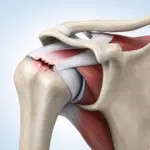
A hip fracture is a break in the upper part of the thigh bone (femur), close to where it meets the pelvis. In older adults, this injury commonly occurs after a fall, even one that seems minor, because the bone has often become weaker over time.
Hip fractures are typically classified based on where the break occurs along the femur. The exact location affects blood supply to the bone, healing potential, and the treatment approach a surgeon may recommend.
Early treatment matters because prolonged immobility in elderly patients can lead to additional health complications. This is why hip fractures are generally treated as urgent orthopedic concerns rather than conditions that can wait for a routine appointment.
Why Are Hip Fractures More Common in Older Adults?
Osteoporosis and Reduced Bone Density
As people age, bone density often decreases, a condition known as osteoporosis. Weakened bones are more prone to breaking, sometimes even after a low-impact fall or a simple stumble that would not affect a younger, healthier bone.
Falls and Balance Problems
Most hip fractures in older adults follow a fall. Common contributing factors include:
- Slippery or uneven surfaces
- Poor balance or unsteady gait
- Vision problems that make hazards harder to see
- Muscle weakness affecting stability
- Environmental hazards such as loose rugs or poor lighting
Age-Related Changes
Reduced muscle strength, slower reflexes, and changes in coordination can make it harder for an older adult to recover balance during a stumble, increasing the likelihood that a fall results in injury.
Common Types of Hip Fractures
Femoral Neck Fracture
This occurs just below the ball of the hip joint. Because this area has a delicate blood supply, the treatment approach often depends on the fracture’s exact position and displacement.
Intertrochanteric Fracture
This type occurs slightly further down the femur, between the bony prominences below the hip joint. It generally has a more reliable blood supply.
Subtrochanteric Fracture
This occurs a bit further down the thigh bone, below the smaller bony prominence. These fractures may require specific fixation techniques due to higher mechanical stress in this region.
The exact fracture location strongly influences whether internal fixation, hemiarthroplasty, or total hip replacement is more appropriate.
Symptoms of Hip Fracture in Elderly
- Severe hip or groin pain, especially after a fall
- Pain that worsens with movement or attempted weight-bearing
- Difficulty or inability to stand
- Inability to put weight on the affected leg
- Swelling or bruising around the hip
- Reduced hip movement
- In some cases, the leg may appear shorter or turned outward
Important: An elderly person who cannot stand or bear weight after a fall should be evaluated by a medical professional promptly, as this can be a sign of a hip fracture requiring urgent assessment.
Common Causes of Hip Fracture in Elderly
- Falls, which are the leading cause
- Osteoporosis and low bone density
- Reduced muscle strength
- Poor balance or gait instability
- A history of previous fractures
- Vision problems affecting hazard awareness
- Certain medications that affect balance or bone strength
- Home hazards such as clutter, poor lighting, or loose flooring
- High-impact injuries, such as road traffic accidents, though these are less common in this age group
Understanding these hip fracture causes can help families take preventive steps and recognize when an elderly relative may be at higher risk.
Risk Factors
- Advanced age
- Osteoporosis or low bone mineral density
- Previous fracture history
- Low muscle strength or sarcopenia
- History of frequent falls
- Poor balance or coordination
- Nutritional deficiencies, particularly calcium and vitamin D
- Reduced physical activity levels
- Certain medical conditions affecting bone or neurological health
- Medications that cause dizziness or affect bone density
How Serious Is a Hip Fracture in an Elderly Person?
A hip fracture is considered a significant injury in older adults because it can substantially affect mobility and independence if not treated promptly. Prolonged immobility, which can occur while waiting for treatment or during a difficult recovery, may be associated with:
- Loss of mobility and independence
- Muscle weakness from inactivity
- Increased risk of blood clots
- Pressure injuries from extended bed rest
- Chest-related complications
- Delayed rehabilitation progress
Because of these risks, orthopedic teams generally aim to assess and treat hip fractures without unnecessary delay. Every patient’s situation is different, and outcomes depend on overall health, the fracture type, and how quickly appropriate treatment begins.
Diagnosis of Hip Fracture
Physical Examination
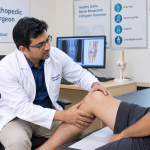
An orthopedic specialist will typically assess pain location, leg positioning, range of motion, and the ability to bear weight, along with a general health evaluation.
X-Ray
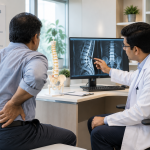
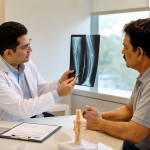
X-rays are usually the first imaging test used, as they can clearly show most fractures and help determine their exact location and pattern.
MRI
If an X-ray appears normal or unclear but a fracture is still suspected (known as an occult fracture), an MRI may be used to get a more detailed view of the bone.
CT Scan
A CT scan may be recommended for complex fractures, as it can provide additional detail about fracture patterns that assist in surgical planning.
Hip Fracture Treatment in Elderly
Hip fracture treatment in elderly patients is decided on a case-by-case basis. Factors that influence the treatment plan include:
- Fracture location and pattern
- Bone quality
- Patient age
- Pre-injury activity level
- Overall health and existing medical conditions
- Fitness for anesthesia and surgery
- Functional goals and expectations
There is no single treatment that suits every patient, which is why a thorough orthopedic evaluation is an important first step.
Non-Surgical Treatment
Non-surgical treatment is considered only in select situations, such as when a patient’s overall health makes surgery too risky, or when the fracture pattern allows for it. This approach may involve:
- Pain management
- Careful positioning to reduce discomfort
- Close medical monitoring
- Physiotherapy where appropriate
- Measures to prevent complications from immobility
- Assistance with safe mobility
Non-surgical treatment is not suitable for every elderly hip fracture, and the decision is made individually by the treating medical team.
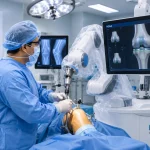
Hip Fracture Surgery in Elderly
Surgery is commonly considered for many types of hip fractures because it can help achieve several goals:
- Stabilizing the fractured bone
- Reducing pain
- Restoring mobility
- Allowing earlier rehabilitation
- Lowering the risk of complications linked to prolonged bed rest
Patients and families exploring hip fracture surgery in Subramanyara are encouraged to discuss the specific surgical option best suited to the fracture type and the patient’s overall health with an orthopedic specialist.
Types of Surgical Treatment
Internal Fixation
This involves using plates, screws, or nails to hold the fractured bone in place while it heals. It is often used for certain fracture patterns where the natural bone and blood supply can support healing.
Hemiarthroplasty
In this procedure, only the damaged ball portion of the hip joint is replaced with an artificial implant, while the socket is left in place. This may be considered for certain femoral neck fractures.
Total Hip Replacement
This involves replacing both the ball and socket of the hip joint with artificial components. It may be considered when the fracture is combined with pre-existing joint damage, such as arthritis, or when it offers better functional outcomes for the individual patient. For patients evaluating this option, consulting a qualified Hip Replacement Surgeon in Subramanyara can help clarify which approach fits their specific situation.
When Is Hip Replacement Considered After a Hip Fracture?
Hip replacement is not automatically required for every hip fracture. Orthopedic surgeons typically weigh several factors before recommending it:
- Exact fracture location and displacement
- Bone quality
- Pre-injury activity level
- Presence of existing arthritis in the hip
- Overall health status
- Realistic functional goals for the patient
A thorough evaluation helps determine whether internal fixation, hemiarthroplasty, or total hip replacement is the most appropriate option.
Hip Fracture Recovery in Elderly
Hip fracture recovery in elderly patients varies significantly from person to person. Key components of the recovery process typically include:
- Early mobilization when medically appropriate
- Structured physiotherapy
- Supervised walking practice with assistive devices as needed
- Muscle strengthening exercises
- Balance training to reduce fall risk
- Attention to nutrition
- Fall-prevention strategies at home
- Regular follow-up appointments with the orthopedic team
Recovery is rarely linear, and patience along with consistent rehabilitation participation generally supports better outcomes.
Hip Fracture Recovery Time in Elderly
There is no fixed hip fracture recovery time elderly patients can expect, since it depends on several individual factors:
- Type of fracture
- The surgical procedure performed
- Patient age
- General health and pre-existing conditions
- Muscle strength before the injury
- Presence of arthritis or other joint issues
- Level of participation in rehabilitation
- Any complications during recovery
Some patients may begin assisted movement relatively soon after treatment, while fully regaining strength, confidence, and day-to-day independence can take anywhere from several weeks to a few months. Setting realistic, individualized expectations with the treating surgeon is important rather than relying on a general timeline.
Rehabilitation After Hip Fracture
Physiotherapy
Guided exercises help restore joint movement and support safe mobility.
Strengthening Exercises
Targeted exercises help rebuild muscle strength around the hip and leg, which supports stability during walking.
Balance Training
Balance exercises are often included to help reduce the risk of future falls.
Walking Training
Gradual, supervised walking practice, often with assistive devices initially, helps patients regain confidence in movement.
Occupational Therapy
This can help patients adapt daily activities and use assistive tools safely during recovery.
Home Safety Modifications
Simple changes at home can reduce fall risk during the recovery period and beyond.
Rehabilitation plans are most effective when individualized to the patient’s fracture type, surgery, and overall health.
Nutrition and Bone Health After Hip Fracture
Good nutrition supports healing and long-term bone health. Elderly patients recovering from a hip fracture are often encouraged to focus on:
- Adequate protein intake to support tissue repair and muscle strength
- Calcium for bone health
- Vitamin D to support calcium absorption
- Overall balanced nutrition to support general recovery
Any supplementation should be based on individual medical needs and discussed with a treating clinician rather than started independently.
Preventing Another Hip Fracture
- Remove loose rugs and clutter from walking paths
- Improve lighting, especially in hallways and staircases
- Install bathroom grab bars where needed
- Use supportive, well-fitted footwear
- Review medications with a doctor for fall-related side effects
- Address vision problems with regular eye checkups
- Work on strength and balance through appropriate exercise
- Discuss osteoporosis evaluation and management with a doctor
- Maintain a level of physical activity suitable for age and ability
Home Care After Hip Fracture Surgery
- Following medication instructions carefully
- Proper wound care as advised by the surgical team
- Safe, supervised mobility during early recovery
- Consistent physiotherapy participation
- Attending all follow-up appointments
- Monitoring for signs of complications
- Ongoing fall-prevention measures at home
Symptoms That Require Urgent Medical Attention
- Severe pain after a fall
- Inability to stand or walk
- Sudden visible leg deformity
- Increasing swelling around the hip
- Fever after surgery
- Wound discharge or unusual redness
- Sudden chest pain
- Difficulty breathing
- New confusion or a sudden decline in overall condition
These symptoms may indicate a serious complication and require immediate medical evaluation rather than a routine appointment.
Comparison Tables
Table 1: Hip Fracture vs Hip Arthritis
| Feature | Hip Fracture | Hip Arthritis |
| Typical onset | Often sudden after injury/fall | Usually gradual |
| Pain | Often severe and sudden | Usually develops progressively |
| Weight bearing | May be very difficult or impossible | May be painful but often possible |
| Treatment | Often requires urgent assessment and possible surgery | May include exercise, medication, injections or surgery |
| Urgency | Requires prompt evaluation | Usually evaluated based on symptoms and severity |
Table 2: Surgical vs Non-Surgical Treatment
| Factor | Surgical Treatment | Non-Surgical Treatment |
| Main goal | Stabilize/reconstruct the hip and restore mobility | Manage symptoms when surgery is unsuitable |
| Mobility | Often allows earlier mobilization | May be more limited |
| Suitability | Depends on health and fracture type | Selected patients |
| Rehabilitation | Usually required | Usually required |
| Decision | Made by orthopedic and medical team | Individualized |
Table 3: Internal Fixation vs Hip Replacement
| Feature | Internal Fixation | Hip Replacement |
| Main approach | Fixes the existing bone | Replaces part or all of the joint |
| Common use | Certain fracture patterns | Selected fractures, especially some femoral neck fractures |
| Bone preservation | Preserves native joint | Replaces damaged joint components |
| Recovery | Requires rehabilitation | Requires rehabilitation |
| Choice | Depends on fracture characteristics | Depends on fracture and patient factors |
Is Surgery Always Necessary for Elderly Hip Fractures?
Not every elderly hip fracture requires surgery, though surgical treatment is common for many fracture types. The decision depends on the fracture pattern, the patient’s overall health, functional goals, and surgical risk. Some patients, particularly those with significant health concerns that make surgery unsafe, may be managed with a non-surgical approach instead. An individualized orthopedic assessment is the best way to determine the right path forward.
Can an Elderly Person Walk Again After a Hip Fracture?
Many older adults are able to regain meaningful mobility after a hip fracture with appropriate treatment and consistent rehabilitation, although recovery varies widely between individuals. Factors that generally support better mobility outcomes include:
- Early mobilization when medically appropriate
- Active participation in physiotherapy
- Building strength and balance over time
- Good nutrition
- Support from family and caregivers
- Regular medical follow-up
Every patient’s journey is different, and outcomes should be discussed realistically with the treating orthopedic team rather than assumed from general information.
When to See an Orthopedic Surgeon
An orthopedic evaluation is particularly important when an older adult:
- Falls and develops hip pain
- Cannot bear weight on one leg
- Has persistent groin or hip pain
- Has difficulty walking after a minor injury
- Has a known or suspected fracture
- Has osteoporosis and a suspected injury
- Experiences worsening symptoms during recovery
Dr. Vijay Kulkarni, an orthopedic surgeon in Bangalore, evaluates elderly patients with suspected or confirmed hip fractures and helps guide appropriate treatment planning based on each patient’s individual fracture pattern and health status.
Frequently Asked Questions
- What is the most common treatment for a hip fracture in an elderly person?
Treatment depends on the fracture type and the patient’s health, but surgery—such as internal fixation, hemiarthroplasty, or total hip replacement—is commonly used. Non-surgical management is reserved for select cases where surgery isn’t suitable. A thorough evaluation helps determine the right approach for each individual. - Can an elderly person recover from a hip fracture without surgery?
In select situations, non-surgical treatment may be considered, particularly if surgery carries significant risk for that patient. However, this is not appropriate for every hip fracture. The treating medical team evaluates fracture type and overall health before deciding on the best approach. - How long does hip fracture recovery take in elderly patients?
Recovery time varies widely based on fracture type, treatment received, general health, and rehabilitation participation. Some patients begin assisted movement soon after treatment, while regaining full strength and independence can take weeks to several months. There is no single fixed timeline for every patient. - When is hip replacement recommended after a hip fracture?
Hip replacement may be considered when the fracture pattern, bone quality, or pre-existing arthritis makes it a more suitable option than fixation. The decision depends on fracture displacement, patient health, and functional goals, and is made after a detailed orthopedic assessment. - Can an elderly person walk again after hip fracture surgery?
Many elderly patients regain meaningful mobility after surgery, especially with early mobilization and consistent physiotherapy. Outcomes vary based on overall health, fracture severity, and rehabilitation participation, so realistic expectations should be discussed with the surgical team. - What are the warning signs of a hip fracture after a fall?
Warning signs include severe hip or groin pain, inability to stand or bear weight, swelling or bruising, and sometimes a leg that appears shorter or turned outward. Anyone showing these signs after a fall should be evaluated by a medical professional promptly. - How can another hip fracture be prevented?
Prevention strategies include improving home safety, using proper footwear, addressing vision problems, reviewing medications with a doctor, building strength and balance, and evaluating bone health for osteoporosis. These steps can help reduce future fall and fracture risk. - When should I see an orthopedic surgeon for an elderly hip fracture?
An orthopedic surgeon should be consulted promptly after a fall if there is hip pain, inability to bear weight, or difficulty walking. Persistent pain, known osteoporosis with a suspected injury, or worsening symptoms during recovery also warrant timely evaluation. - What is the treatment for a hip fracture in an elderly person?
Treatment for a hip fracture in an elderly person depends on the fracture type, its location, the patient’s overall health, mobility level, and fitness for surgery. Options generally include surgical fixation, hemiarthroplasty, or total hip replacement, along with pain management, rehabilitation, and strategies to help prevent future falls.
10. What causes hip fractures in elderly people, how are they treated, and how long does recovery take?
Hip fractures in elderly people are commonly caused by falls, often linked to osteoporosis, reduced muscle strength, poor balance, and vision problems. Symptoms include severe hip or groin pain, inability to bear weight, and sometimes a shortened or outward-turned leg. Most fractures are diagnosed with an X-ray and treated surgically using internal fixation, hemiarthroplasty, or total hip replacement, chosen based on fracture pattern and patient health. Non- surgical management is reserved for select cases. Recovery involves structured physiotherapy, gradual mobilization, and fall-prevention measures. Timelines vary widely; regaining strength and confidence can take weeks to several months, depending on the individual’s health and rehabilitation progress.
Conclusion
Hip fractures are serious injuries in older adults, often resulting from a combination of falls and reduced bone strength linked to osteoporosis. Early diagnosis plays an important role in guiding appropriate care, and treatment decisions depend on the fracture type, its location, and the patient’s overall health. While surgery is a common part of hip fracture elderly treatment, it is not automatically required for every case, and rehabilitation plays a central role in helping patients regain mobility and confidence. Ongoing attention to fall prevention and bone health can also help reduce the risk of future fractures. For families in and around Subramanyara evaluating treatment options, consulting an experienced Hip Replacement Surgeon in Subramanyara can help clarify the most appropriate path forward for their loved one.
Call to Action
If your elderly parent or family member has experienced a fall and is showing signs of hip pain or difficulty walking, timely orthopedic evaluation can make a meaningful difference in their treatment journey. Patients and families from Vajrahalli, Raghuvanahalli, Konanakunte Cross, Thalaghattapura, Gubbalala, RR Nagar, Subramanyara, Uttarahalli, and Electronic City can consider consulting Dr. Vijay Kulkarni for a thorough evaluation and personalized orthopedic treatment plan.