
What Is Frozen Shoulder?
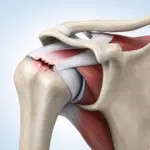
Frozen shoulder, or adhesive capsulitis, occurs when the capsule of tissue surrounding the shoulder joint becomes inflamed, thickened, and tight. This capsule normally allows the shoulder to move freely in many directions. When it stiffens, movement becomes painful and restricted, sometimes to the point where everyday tasks like dressing or reaching overhead feel difficult.
The condition develops gradually, often over months, and can affect one or occasionally both shoulders. It is different from a torn muscle or ligament — the primary issue is stiffening of the joint capsule itself, not a structural tear.
Frozen Shoulder Symptoms
Recognizing frozen shoulder symptoms early can help guide timely care. Common symptoms include:
- Dull, aching pain deep in the shoulder
- Progressive stiffness that limits movement
- Difficulty raising the arm overhead
- Difficulty reaching behind the back (such as fastening a bra or reaching a back pocket)
- Trouble combing hair or reaching a high shelf
- Difficulty putting on a jacket or shirt
- Pain that disturbs sleep, especially when lying on the affected side
- Noticeably reduced range of motion compared to the other shoulder
Patients searching for frozen shoulder symptoms in Electronic City often describe the condition as starting mildly and slowly becoming more limiting over several weeks.
Frozen Shoulder Causes
Understanding frozen shoulder causes helps explain why some people are more likely to develop the condition than others.
Primary Frozen Shoulder
In many cases, frozen shoulder develops without any clear underlying cause. This is referred to as primary or idiopathic frozen shoulder, and it can occur even in people with no prior shoulder problems.
Secondary Frozen Shoulder
Frozen shoulder is also associated with certain conditions and situations, including:
- A previous shoulder injury
- Shoulder surgery followed by a period of reduced movement
- Prolonged immobilization, such as after a fracture or a sling
- Diabetes, which is one of the most recognized risk factors
- Certain other medical conditions affecting connective tissue or hormone levels
If you have one or more of these risk factors and notice shoulder stiffness that isn’t improving, an evaluation is worth considering.
Frozen Shoulder Stages
Frozen shoulder generally progresses through three recognizable frozen shoulder stages. Recovery speed and symptom pattern vary from person to person.
| Stage | Typical Duration | Main Features |
| Freezing Stage | Several weeks to months | Gradually increasing pain, growing stiffness, progressive loss of movement |
| Frozen Stage | Several months | Pain may ease somewhat, but stiffness remains significant; daily tasks become harder |
| Thawing Stage | Several months to over a year | Gradual improvement in movement, reduced stiffness, slow return of function |
Stage 1: Freezing Stage
Pain typically builds up first, often worsening with movement. As this stage progresses, the shoulder becomes increasingly difficult to move, and range of motion continues to decline.
Stage 2: Frozen Stage
By this stage, pain may become less intense for some patients, though it doesn’t disappear entirely. The main challenge here is persistent stiffness, which can make simple daily activities noticeably harder.
Stage 3: Thawing Stage
Movement slowly begins to return during this stage. Improvement is usually gradual rather than sudden, and consistent rehabilitation support can help this recovery phase progress steadily.
Why Does Frozen Shoulder Hurt More at Night?
Many patients notice that shoulder pain feels worse at night. This may happen because lying down changes pressure on the shoulder joint, and there are fewer daytime distractions to draw attention away from the discomfort. Night pain can disrupt sleep, which is one of the more frustrating aspects of this condition for many patients.
Who Is at Higher Risk of Frozen Shoulder?
Certain factors are associated with a higher likelihood of developing frozen shoulder, including:
- Age, particularly between 40 and 60 years
- Diabetes
- A previous shoulder injury
- Recent shoulder surgery
- Prolonged immobilization of the arm or shoulder
- Certain systemic medical conditions
Having one or more of these factors does not mean frozen shoulder is guaranteed to develop, but it does mean that persistent shoulder stiffness in these groups deserves attention.
Frozen Shoulder vs Other Shoulder Conditions
Shoulder pain can stem from several different conditions, and frozen shoulder is only one of them. It’s important to distinguish it from:
- Rotator cuff injury: Often involves weakness or pain with specific movements, sometimes following a strain or tear
- Shoulder arthritis: Involves joint surface wear, often with stiffness that may be accompanied by a grinding sensation
- Bursitis: Inflammation of the fluid-filled sac cushioning the shoulder, often causing localized pain
- Tendinitis: Inflammation of a tendon, often related to overuse
- Shoulder impingement: Pain related to tendons or bursa being compressed during certain arm movements
Because these conditions can present with overlapping symptoms, an accurate diagnosis matters — the right treatment depends on identifying the actual underlying cause.
Diagnosis of Frozen Shoulder
Physical Examination
An orthopedic specialist typically evaluates frozen shoulder through a hands-on physical examination, assessing:
- Location and nature of pain
- Active range of motion (movement you perform yourself)
- Passive range of motion (movement the examiner guides)
- Overall shoulder stiffness
- Strength of the surrounding muscles
- Impact on daily function
A hallmark of frozen shoulder is that both active and passive range of motion are reduced. This distinguishes it from some other shoulder problems, where passive movement may remain relatively normal even if active movement is limited.
Imaging Tests
Imaging is not always necessary but may be used to rule out other conditions.
X-ray
Helps rule out arthritis, fractures, or other structural bone issues.
MRI
May be considered if another condition, such as a rotator cuff tear, is suspected alongside or instead of frozen shoulder.
Ultrasound
Can help evaluate soft tissue structures, including the rotator cuff, when needed.
Not every patient will require every test — imaging decisions are typically based on the clinical examination and individual symptoms.
Frozen Shoulder Treatment Options
Frozen shoulder treatment is tailored to the stage of the condition, severity of symptoms, underlying health conditions, and how much the stiffness is affecting daily function.
Home Care and Activity Modification
Simple steps that may help in the early stages include:
- Avoiding movements that significantly aggravate pain
- Continuing gentle, tolerable shoulder movement rather than complete rest
- Following a structured rehabilitation plan as guided by a specialist
- Using heat or cold application when appropriate for comfort
Physiotherapy for Frozen Shoulder
Physiotherapy is often a central part of managing frozen shoulder. A guided program may help improve:
- Range of motion
- Flexibility of the shoulder capsule
- Overall shoulder function
- Strength of supporting muscles
Exercises should be matched to the individual’s current stage and pain tolerance, since pushing too hard too soon can sometimes aggravate symptoms.
Pain Relief
Over-the-counter or prescription pain-relief options are sometimes used to help manage discomfort during the early, more painful stages. Any medication should be discussed with a qualified doctor, as individual suitability, dosage, and duration depend on personal health history.
Corticosteroid Injections
Corticosteroid injections are anti-inflammatory medications that may be injected directly into the shoulder joint. They are sometimes used to help reduce pain and inflammation, which can make physiotherapy more comfortable and effective for some patients. Because individual suitability varies, a medical evaluation is necessary before considering this option.
Other Non-Surgical Treatments
Depending on the individual case, other non-surgical approaches may also be discussed as part of an overall management plan. Because frozen shoulder can present differently in each patient, consulting a frozen shoulder specialist in Electronic City can help determine which combination of treatments is most appropriate for your specific stage and symptoms.
When Is Surgery Considered?
Most people with frozen shoulder respond to non-surgical treatment over time. Procedures are generally considered only when:
- Stiffness remains severe despite consistent conservative treatment
- Pain continues to significantly affect daily life
- Function stays limited over an extended period
- There has been inadequate improvement with physiotherapy and other non-surgical measures
Manipulation Under Anesthesia
This procedure involves gently moving the shoulder through its range of motion while the patient is under anesthesia, with the goal of loosening the tightened capsule. It is considered selectively, and patient suitability is assessed carefully beforehand.
Arthroscopic Capsular Release
This is a minimally invasive surgical procedure in which small instruments are used to release the tightened portions of the shoulder capsule. An orthopedic surgeon may consider this option for patients with persistent, significant restriction that hasn’t responded adequately to other treatments. It is not a routine requirement for every frozen shoulder patient.
Frozen Shoulder Recovery Timeline
Recovery from frozen shoulder varies considerably from person to person, and there is no fixed timeline that applies to everyone. In general, the condition moves through the freezing, frozen, and thawing stages, with the entire process sometimes taking well over a year in total.
Consistent physiotherapy, adherence to a rehabilitation plan, and gradual return of movement typically go hand in hand. Patients who stay engaged with their prescribed exercise program often notice steadier progress, though the pace of recovery still depends on individual factors.
Frozen Shoulder vs Temporary Shoulder Stiffness
| Feature | Temporary Shoulder Stiffness | Frozen Shoulder |
| Pain | Usually short-term | Can persist for months |
| Stiffness | Usually improves quickly | Progressive over time |
| Range of motion | Mildly affected | Significantly restricted |
| Duration | Often short | May last months to over a year |
| Evaluation | May not always be needed | Often requires assessment if persistent |
Home Care vs Medical Treatment
| Home Care | Medical Treatment |
| Gentle exercises | Physiotherapy |
| Activity modification | Corticosteroid injection when appropriate |
| Heat/cold application | Specialist evaluation |
| Rest from aggravating activities | Procedures or surgery in selected cases |
Home care can be a helpful starting point, but it should not replace professional evaluation when stiffness is persistent, worsening, or significantly limiting daily activities.
Physiotherapy vs Surgery
| Aspect | Physiotherapy | Surgery |
| Purpose | Improve range of motion, flexibility, and function | Release a severely tightened capsule |
| When Used | First-line approach for most patients | Considered when conservative treatment is insufficient |
| Recovery | Gradual, ongoing through structured exercises | Requires post-procedure rehabilitation |
| Role in Management | Central to nearly every treatment plan | Reserved for selected, persistent cases |
When Should You See an Orthopedic Specialist?
Consider consulting an orthopedic specialist if:
- Shoulder pain persists beyond a few weeks
- Stiffness is progressively worsening
- Arm movement feels increasingly restricted
- Pain is interfering with sleep
- Daily activities like dressing or reaching become difficult
- Symptoms began following an injury
- Symptoms are not improving with reasonable home care
A frozen shoulder doctor in Electronic City can assess your specific symptoms, confirm the diagnosis, and recommend a treatment plan suited to your stage of the condition.
Looking for a Frozen Shoulder Specialist in Electronic City?
If you are dealing with persistent shoulder pain or stiffness and searching for a frozen shoulder specialist in Electronic City, Dr. Vijay Kulkarni is an orthopedic surgeon who evaluates shoulder conditions, including frozen shoulder, and provides personalized treatment recommendations based on individual symptoms and stage of progression.
As a shoulder specialist in Electronic City, Dr. Kulkarni’s practice is accessible to patients across Electronic City as well as nearby areas such as JP Nagar, Jayanagar, Banashankari, Bannerghatta Road, Doddakallasandra, and Vajrahalli. If shoulder stiffness is limiting your daily activities or sleep, a timely consultation can help clarify the diagnosis and guide the most appropriate next steps.
Frequently Asked Questions:
- What are the first symptoms of frozen shoulder? The earliest symptoms are usually a dull, aching shoulder pain along with gradually increasing stiffness. Movement may start to feel restricted, particularly when reaching overhead or behind the back. These symptoms typically build up slowly over several weeks rather than appearing suddenly.
- What causes frozen shoulder? Frozen shoulder can develop without a clear cause, known as primary frozen shoulder. It can also occur secondary to a shoulder injury, recent surgery, prolonged immobilization, or conditions like diabetes. Not everyone with these risk factors will develop the condition.
- What are the three stages of frozen shoulder? The three stages are freezing (increasing pain and stiffness), frozen (persistent stiffness with less pain), and thawing (gradual return of movement). Each stage can last weeks to several months, and the overall process may extend beyond a year for some patients.
- How long does frozen shoulder take to recover? Recovery time varies widely between individuals and can range from several months to well over a year. Factors like adherence to physiotherapy, underlying health conditions, and how early treatment begins can all influence the pace of recovery.
- Can frozen shoulder heal without surgery? Yes, most patients improve with non-surgical treatment such as physiotherapy, activity modification, and pain management. Surgery is generally reserved for cases where significant stiffness or pain persists despite consistent conservative treatment.
- Is physiotherapy effective for frozen shoulder? Physiotherapy is commonly recommended and may help improve range of motion, flexibility, and shoulder function over time. Exercises are typically tailored to the patient’s current stage, since overly aggressive stretching in the early painful phase can sometimes worsen symptoms.
- When should I see a frozen shoulder specialist? It’s reasonable to seek evaluation if shoulder pain or stiffness persists beyond a few weeks, worsens progressively, disrupts sleep, or limits daily activities. Early assessment can help confirm the diagnosis and guide appropriate treatment.
- Can frozen shoulder come back? Frozen shoulder recurring in the same shoulder is uncommon once it has fully resolved, though some individuals may later develop it in the opposite shoulder. Ongoing shoulder care and awareness of risk factors, such as diabetes, may be relevant for long-term shoulder health.
Conclusion
Frozen shoulder, or adhesive capsulitis, involves a gradual combination of shoulder pain and stiffness that can significantly affect daily activities and sleep. Recognizing frozen shoulder symptoms in Electronic City early — including restricted movement, difficulty reaching overhead or behind the back, and night pain — can help guide timely evaluation. Understanding the underlying causes and the three stages of progression (freezing, frozen, and thawing) can also help set realistic expectations for recovery. While most patients respond well to physiotherapy and non-surgical management, procedures such as manipulation under anesthesia or arthroscopic capsular release may be considered in select, persistent cases. If shoulder stiffness is affecting your daily life, an orthopedic evaluation is a reasonable next step.
Call to Action
If you’re experiencing persistent shoulder pain, stiffness, or restricted movement, consider scheduling an evaluation with Dr. Vijay Kulkarni, an orthopedic surgeon serving patients in Electronic City, JP Nagar, Jayanagar, Banashankari, Bannerghatta Road, Doddakallasandra, and Vajrahalli. A timely assessment can help identify the cause of your symptoms and guide a treatment plan suited to your individual needs.