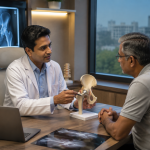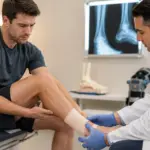
A fall on the stairs, a two-wheeler accident, or a hard landing during a weekend cricket match can all end the same way — sudden pain, swelling, and the worry that a bone may be broken. If you or a family member is searching for fracture treatment in Subramanyapura, you are probably trying to understand what happens next and whether surgery will be necessary.
The reassuring truth is that not every fracture needs an operation. Many broken bones heal well with a cast, splint, or brace. However, some fractures — especially those that are displaced, unstable, exposed through the skin, involve a joint, or affect nearby nerves and blood vessels — do need timely surgical care. This guide walks you through how fractures are diagnosed, treated, and monitored, so you know what questions to ask your orthopedic doctor.
A fracture is a break or crack in a bone, ranging from a small hairline crack to a complete break with displacement. Treatment depends on the fracture’s location, stability, and severity. Stable, well-aligned fractures are often treated with a cast, splint, or brace and monitored with follow-up X-rays. Surgery may be recommended for displaced, unstable, open, joint-involving, or complex fractures, or when nerves and blood vessels are affected. Imaging such as X-rays, CT, or MRI helps confirm the diagnosis and guide the treatment plan. Timely orthopedic assessment helps ensure the bone is properly aligned and supports better long-term healing and function.
What Is a Bone Fracture?
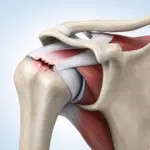
A fracture is simply a break in the continuity of a bone. It can be a tiny hairline crack that’s barely visible on an X-ray, or a complete break where the bone separates into two or more pieces.
Common causes include:
- Falls at home or outdoors
- Road traffic accidents
- Sports injuries
- Workplace accidents
- Direct impact or a hard blow
- Twisting injuries
- Osteoporosis, which weakens bone
- Repetitive stress on a bone, common in runners and athletes
Common Types of Fractures
Closed Fracture — The bone breaks but the skin remains intact.
Open Fracture — The broken bone breaks through the skin, creating a wound and a higher infection risk.
Displaced Fracture — The two ends of the broken bone are no longer aligned.
Non-Displaced Fracture — The bone cracks but stays in its normal position.
Hairline or Stress Fracture — A thin crack, often from repetitive strain rather than a single injury.
Comminuted Fracture — The bone breaks into three or more pieces.
Greenstick Fracture — A partial break, more common in children whose bones are still flexible.
The right treatment depends on the fracture’s location, severity, alignment, stability, and the patient’s overall health — not on the fracture type alone.
What Are the Signs of a Fracture?
- Severe or persistent pain
- Swelling
- Bruising
- Difficulty moving the injured area
- Inability to bear weight
- Visible deformity
- Tenderness when touched
- Abnormal movement at the injury site
- Reduced function of the limb
Symptoms alone cannot always confirm whether a bone is fractured. Sprains, ligament injuries, and fractures can feel similar, which is why clinical examination and imaging are important.
When Is a Fracture an Emergency?
Seek emergency medical care immediately if you notice:
- Bone visible through the skin
- Severe or obvious deformity
- Heavy bleeding
- Loss of sensation in the limb
- Numbness or tingling
- Pale, blue, or cold fingers or toes
- Severe, uncontrolled pain
- Suspected spinal injury
- Inability to move the limb after significant trauma
An open fracture is always considered an orthopedic emergency due to the risk of infection and further tissue damage, and needs urgent hospital care.
How Is a Fracture Diagnosed?
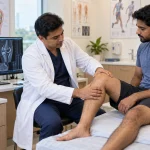
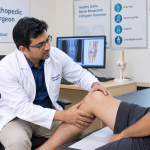
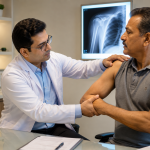
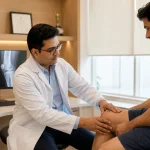
Physical Examination
An orthopedic doctor typically checks:
- Pain location and intensity
- Swelling and bruising
- Visible deformity
- Range of motion
- Skin condition (for open wounds)
- Circulation in the limb
- Sensation and nerve function
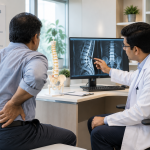
Imaging Tests
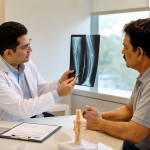
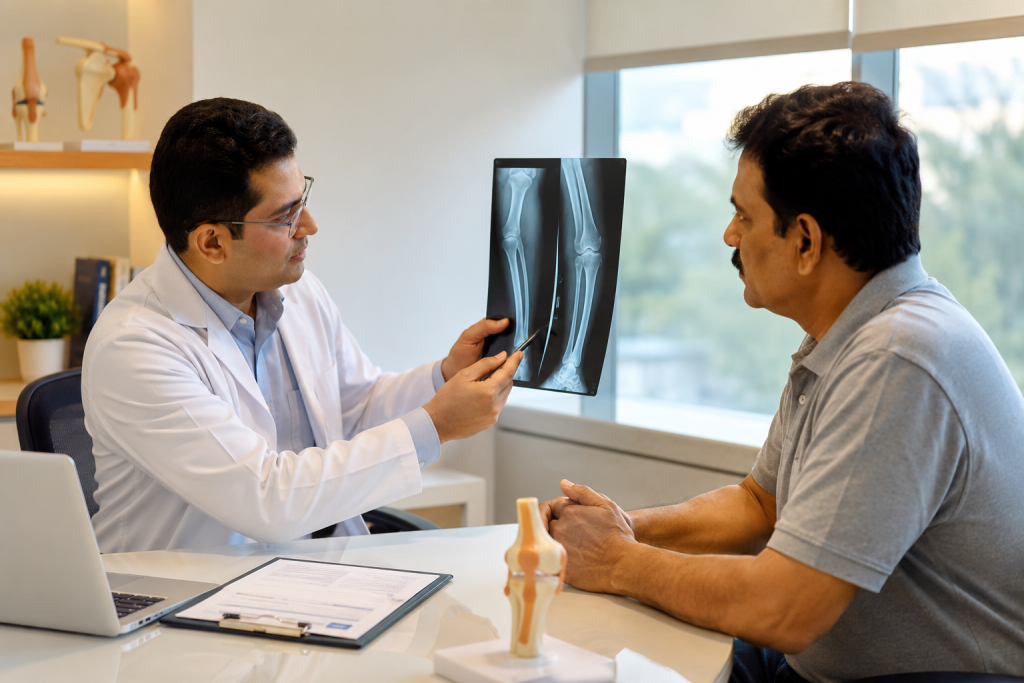
X-Ray — Usually the first and most common imaging test for a suspected fracture.
CT Scan — Useful for complex fractures where detailed bone anatomy is needed, such as around joints.
MRI — Can detect certain fractures not clearly visible on an X-ray and helps assess soft-tissue injuries like ligament or tendon damage.
Not every patient needs all three tests. The orthopedic surgeon decides which imaging is appropriate based on the injury.
Fracture Treatment Options
Can a Fracture Heal Without Surgery?
Yes. Many fractures heal well without surgery when the bone fragments are properly aligned and the fracture is stable. Non-surgical options include:
- Splint
- Cast
- Brace
- Immobilization
- Activity modification
- Pain management
- Physiotherapy
- Follow-up imaging to track healing
When Does a Fracture Need Surgery?
- Significant Bone Displacement — When the broken ends have shifted out of proper alignment.
- Unstable Fracture — When the fracture pattern is unlikely to stay aligned with a cast or brace alone.
- Open Fracture — When the bone has broken through the skin, raising infection risk.
- Joint-Involving Fracture — When the break extends into a joint surface, where precise alignment matters for future joint function.
- Multiple Fracture Fragments — Complex, multi-piece fractures often need surgical stabilization.
- Nerve or Blood Vessel Injury — Fractures affecting nearby nerves or vessels may require urgent surgical intervention.
- Failure of Bone Healing — Delayed union (slower-than-expected healing) or nonunion (the bone fails to heal) may need surgical treatment.
- Malunion — When a bone has healed in an abnormal position, corrective surgery may sometimes be recommended.
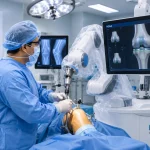
What Is Fracture Surgery?
Fracture surgery generally involves realigning the bone (reduction) and holding it in place while it heals (fixation). Common methods include:
- Plates and screws
- Intramedullary nails (rods placed inside the bone)
- Wires or pins
- External fixation, used in select complex injuries
The choice depends on the bone involved, the fracture pattern, condition of surrounding soft tissue, the patient’s age, medical health, and functional needs.
Open Reduction and Internal Fixation (ORIF)
ORIF is a surgical procedure where the surgeon repositions the broken bone (reduction) and secures it using plates, screws, or other fixation devices (internal fixation). It may be recommended when a fracture is displaced, unstable, or involves a joint.
During ORIF, the surgeon carefully realigns the bone fragments and stabilizes them so healing can occur in the correct position. Post-operative rehabilitation, including physiotherapy, plays an important role in regaining strength and movement afterward. Recovery time varies from person to person and should be discussed individually with your surgeon.
Comparison Tables
Non-Surgical Treatment vs Surgical Treatment
| Factor | Non-Surgical Treatment | Surgical Treatment |
| Typical use | Stable or well-aligned fractures | Unstable, displaced, or complex fractures |
| Main methods | Cast, splint, brace | Plates, screws, nails, pins |
| Hospital procedure | Often not required | Usually requires a procedure |
| Rehabilitation | Often required | Usually required |
| Decision basis | Fracture stability | Fracture pattern and clinical needs |
Stable vs Unstable Fracture
| Feature | Stable Fracture | Unstable Fracture |
| Bone alignment | Usually maintained | May shift |
| Treatment | Often cast/brace | May require surgery |
| Monitoring | Follow-up required | Closer monitoring often needed |
| Surgical need | Not usually | May be recommended |
Minor Injury vs Possible Fracture
| Feature | Minor Injury | Possible Fracture |
| Pain | Often improves | May remain severe |
| Swelling | Usually mild | Can be significant |
| Movement | Often possible | May be very difficult |
| Deformity | Usually absent | May occur |
| Evaluation | Depends on symptoms | Medical assessment often needed |
Treatment Methods at a Glance
| Treatment | When It May Be Used |
| Splint | Initial stabilization |
| Cast | Stable fractures |
| Brace | Selected injuries |
| Plates and screws | Certain displaced or unstable fractures |
| Intramedullary nail | Selected long-bone fractures |
| External fixation | Certain severe or complex injuries |
Factors That Affect Fracture Healing
- Age
- Bone involved
- Fracture type and severity
- Blood supply to the area
- Smoking
- Diabetes
- Nutrition
- Bone density/health
- Infection
- Compliance with treatment instructions
- Physical activity levels
- Overall general health
Healing time varies considerably between individuals and fracture types, so it’s best discussed with your treating doctor.
Home Care After a Fracture
- Follow the prescribed immobilization plan
- Keep the cast or splint dry if instructed
- Elevate the injured limb when appropriate
- Follow weight-bearing instructions carefully
- Take prescribed medications as directed
- Attend all follow-up appointments
- Do not remove a cast or brace without medical advice
- Avoid returning to sports or heavy activity too quickly
Pain Management
Pain relief after a fracture is generally individualized. Your doctor may recommend medicines based on your age, medical history, other medications you take, and the nature of the injury. Always follow your doctor’s specific instructions rather than self-medicating.
Physiotherapy and Rehabilitation
Rehabilitation is often an essential part of fracture recovery, whether treatment was surgical or non-surgical. It can help with:
- Restoring range of motion
- Improving muscle strength
- Reducing stiffness
- Improving balance
- Gradual return to daily activities
- Sport-specific rehabilitation for athletes
How Long Does a Fracture Take to Heal?
Healing time depends on:
- The bone involved
- Patient’s age
- Fracture severity
- Treatment method used
- General health
- Nutrition
- Blood supply to the fracture site
There isn’t one universal healing timeline that applies to every fracture. It’s also worth noting that radiographic healing (what appears on an X-ray) and full return to function don’t always happen at the same time — your surgeon will guide you on both.
Possible Complications of Fractures
- Infection (more common with open fractures)
- Delayed healing
- Nonunion
- Malunion
- Joint stiffness
- Reduced range of motion
- Nerve injury
- Blood vessel injury
- Post-traumatic arthritis
- Chronic pain
Timely assessment and consistent follow-up can help reduce the likelihood of these complications.
Fracture Treatment in Subramanyapura
If you live in or around Subramanyapura and are searching for fracture treatment in Subramanyapura, the first step is a proper clinical evaluation. Whether the injury happened during a fall at home, a road accident, a sports mishap, or a workplace incident, an orthopedic assessment helps determine whether the fracture is stable or needs further intervention.
Patients looking for a fracture surgeon in Subramanyara, an orthopedic surgeon in Subramanyara, or an orthopedic doctor in Subramanyara should look for a qualified professional who can examine the injury, order appropriate imaging, and recommend a treatment plan suited to the specific fracture. An experienced orthopedic fracture doctor in Subramanyapura will consider the bone involved, its stability, and the patient’s overall health before deciding between conservative care and surgery.
For residents of Subramanyapura and nearby areas such as JP Nagar, Jayanagar, Banashankari, Bannerghatta Road, Doddakallasandra, and Vajrahalli, accessible bone fracture treatment in Subramanyapura means not having to travel far for an initial consultation, imaging, and ongoing follow-up care.
Why Choose an Orthopedic Specialist for Fracture Care?
Fracture care benefits from specialist input because it involves:
- Accurate diagnosis of the fracture pattern
- Proper classification of severity and stability
- Careful assessment of bone alignment
- Evaluation of associated soft-tissue injury
- Neurovascular assessment to rule out nerve or vessel involvement
- A considered decision between conservative and surgical treatment
- Structured follow-up monitoring
- Planning for physiotherapy and rehabilitation
Dr. Vijay Kulkarni, an orthopedic surgeon based in Bangalore, brings clinical experience in trauma and fracture care along with expertise across knee, hip, shoulder, and sports injury treatment. His approach focuses on assessing each fracture individually rather than applying a one-size-fits-all treatment.
When Should You See an Orthopedic Surgeon?
Consider an orthopedic evaluation if:
- Pain persists after an injury
- Swelling is significant or worsening
- You cannot bear weight on the injured limb
- The limb appears deformed
- Movement is severely restricted
- An X-ray shows a fracture
- A cast or splint hasn’t improved your symptoms
- Healing seems delayed
- You have recurring pain after a previous fracture
Prevention Tips
- Maintain bone strength through regular activity
- Consume adequate calcium and vitamin D as advised by a healthcare professional
- Exercise regularly to support bone and muscle health
- Work on balance and strength, especially for older adults
- Use appropriate protective gear during sports
- Follow workplace safety practices
- Reduce fall hazards at home, such as loose rugs or poor lighting
- Get evaluated for bone health when medically appropriate, especially after menopause or with a family history of osteoporosis
Frequently Asked Questions
- When does a bone fracture require surgery?
Surgery may be needed when a fracture is significantly displaced, unstable, open, involves a joint, has multiple fragments, or affects nearby nerves or blood vessels. An orthopedic surgeon confirms this through examination and imaging, since not all fractures require the same approach. - Can a fracture heal without surgery?
Yes, many fractures heal well without surgery, particularly when the bone is stable and properly aligned. Treatment often involves a cast, splint, or brace along with follow-up imaging to monitor healing progress and ensure the bone stays in position. - How do I know if I have a fracture?
Common signs include pain, swelling, bruising, difficulty moving the area, or visible deformity. However, symptoms alone cannot confirm a fracture. A clinical examination and imaging, usually an X-ray, are typically needed for an accurate diagnosis. - What is the best treatment for a broken bone?
There isn’t a single “best” treatment for every broken bone. The right approach depends on the fracture’s location, stability, severity, and the patient’s health. Options range from casting and bracing to surgical fixation, decided after proper evaluation. - How long does a fracture take to heal?
Healing time varies widely based on the bone involved, fracture severity, treatment method, age, and overall health. Some fractures heal in a few weeks, while others take longer. Your orthopedic doctor can give you a more specific expectation. - Can a displaced fracture heal without surgery?
Some mildly displaced fractures may be treated with closed reduction and casting if the alignment can be corrected and maintained without surgery. However, significantly displaced or unstable fractures often require surgical fixation for proper healing. - When should I see an orthopedic surgeon after an injury?
See an orthopedic surgeon if pain or swelling is severe, you cannot bear weight, there’s visible deformity, or symptoms don’t improve with initial first aid. Prompt evaluation helps determine whether the injury is a fracture and what treatment it needs. - Where can I get fracture treatment in Subramanyapura?
Residents of Subramanyapura and nearby areas like JP Nagar, Jayanagar, and Banashankari can consult an orthopedic surgeon experienced in trauma and fracture care for evaluation, imaging guidance, and an appropriate treatment plan.
Conclusion
Fractures vary greatly in severity, from tiny hairline cracks to complex, displaced breaks. Not every fracture requires surgery — many stable fractures heal well with casting, bracing, and structured follow-up. However, fractures that are displaced, unstable, open, involve a joint, or affect nerves and blood vessels often need surgical treatment for proper healing and function.
X-rays and other imaging play a key role in confirming the diagnosis and guiding the right treatment path, while rehabilitation supports recovery afterward. If you’re looking for fracture treatment in Subramanyapura, prompt orthopedic assessment is the best way to understand your specific injury and the most appropriate care plan for it.
Call to Action
If you or a family member in Subramanyapura, JP Nagar, Jayanagar, Banashankari, Bannerghatta Road, Doddakallasandra, or Vajrahalli has suffered a fall, sports injury, accident, or suspected fracture, timely orthopedic evaluation matters. Dr. Vijay Kulkarni offers clinical assessment for fractures, trauma, and related orthopedic conditions, helping determine whether your injury needs immobilization, monitoring, or surgical treatment.
Book an orthopedic consultation today to get your injury properly assessed and understand the treatment options suited to your condition.