Back pain causes range from simple muscle strain and poor posture to more serious conditions like a herniated disc, spinal stenosis, or sciatica. Most cases improve with rest, physiotherapy, and posture correction, but pain lasting more than two weeks or accompanied by numbness needs an orthopedic evaluation.
Back pain is one of the most common reasons adults visit an orthopedic clinic, and understanding the underlying back pain causes helps guide the right treatment. Common triggers include muscle strain, herniated discs, degenerative disc disease, sciatica, spinal stenosis, and posture-related back pain from prolonged sitting. While many cases resolve with home care, red-flag symptoms such as leg numbness, weakness, or loss of bladder control require urgent evaluation. A spine specialist can diagnose the exact cause through physical examination and imaging, then recommend physiotherapy, medication, or, in select cases, minimally invasive surgery.
If you’ve been dealing with a dull ache in your lower back that won’t go away, you’re not alone. Nearly 8 out of 10 adults experience back pain at some point in their lives, and for many, it becomes a recurring problem that affects work, sleep, and daily movement. Understanding the real Back Pain Causes behind your discomfort is the first step toward lasting relief. Some cases are simple muscle strains that heal on their own, while others point to deeper spinal issues that need a specialist’s attention. This guide walks you through the most common causes, warning signs, and when it’s time to see an orthopedic doctor.
Understanding Back Pain
Back pain isn’t a single condition — it’s a symptom that can originate from muscles, ligaments, discs, nerves, or bones in the spine. It may be sudden (acute) after a lifting injury, or it may build gradually into chronic back pain that lasts more than three months. Knowing whether your pain is mechanical (movement-related) or nerve-related helps your doctor narrow down the diagnosis quickly.
Anatomy of the Spine
The spine is made up of 33 vertebrae cushioned by intervertebral discs, supported by muscles and ligaments, and protected around a bundle of nerves. The lumbar spine pain region — your lower back — carries the most body weight and is the most common site of injury. When a disc, joint, or nerve in this area is irritated, it can trigger pain that radiates to the hips, buttocks, or legs.
10 Common Back Pain Causes
Here are the most frequent Back Pain Causes seen in orthopedic practice:
1. Muscle Strain
Lifting something heavy with poor form, or sudden twisting, can strain the muscles and ligaments supporting your spine. It’s the most common of all back pain causes and usually improves within a few weeks with rest and gentle movement.
2. Poor Posture
Sitting hunched over a desk or phone for hours puts continuous strain on the lower back. This posture-related back pain is increasingly common among office professionals with prolonged sitting habits.
3. Herniated Disc
A herniated disc (also called a slipped disc) occurs when the soft cushion between vertebrae pushes out and presses on a nearby nerve, often causing sharp pain that travels down one leg.
4. Degenerative Disc Disease
As we age, spinal discs naturally lose hydration and elasticity. Degenerative disc disease reduces the cushioning between vertebrae, leading to stiffness and chronic discomfort.
5. Sciatica
When the sciatic nerve is compressed — often by a herniated disc — it causes burning or shooting pain from the lower back down through the leg. Early sciatica treatment in Thalaghattapura clinics typically starts with physiotherapy and anti-inflammatory care before considering advanced options.
6. Spinal Stenosis
Spinal stenosis is a narrowing of the spinal canal that puts pressure on the nerves inside. It’s more common in older adults and often worsens with standing or walking.
7. Osteoarthritis
Wear-and-tear arthritis in the small joints of the spine can cause stiffness, inflammation, and localized pain, especially in senior citizens.
8. Osteoporosis
Weakened, brittle bones from osteoporosis increase the risk of small spinal fractures that cause sudden, sharp back pain — even from minor falls or bending.
9. Scoliosis
An abnormal sideways curve of the spine, often present from adolescence, can lead to uneven muscle strain and back pain in adulthood if left unmanaged.
10. Sports Injuries
High-impact sports or improper training techniques can injure spinal muscles, ligaments, or discs, making this a common cause among younger, active patients.
Other Risk Factors
Obesity, sedentary lifestyle, smoking, heavy manual labor, and a family history of spine problems can all increase your risk of developing back pain.
Back Pain Symptoms and Red Flags
Common back pain symptoms include a dull ache, stiffness, muscle spasms, and pain that worsens with movement. However, some symptoms need urgent orthopedic attention:
- Numbness or tingling in the legs
- Weakness in one or both legs
- Loss of bladder or bowel control
- Fever accompanying back pain
- Pain following a fall or accident
- Unexplained weight loss with back pain
If you notice any of these red flags, don’t wait — seek immediate care from an orthopedic doctor for back pain in Thalaghattapura or your nearest emergency facility.
How an Orthopedic Specialist Diagnoses Back Pain
A thorough diagnosis typically includes:
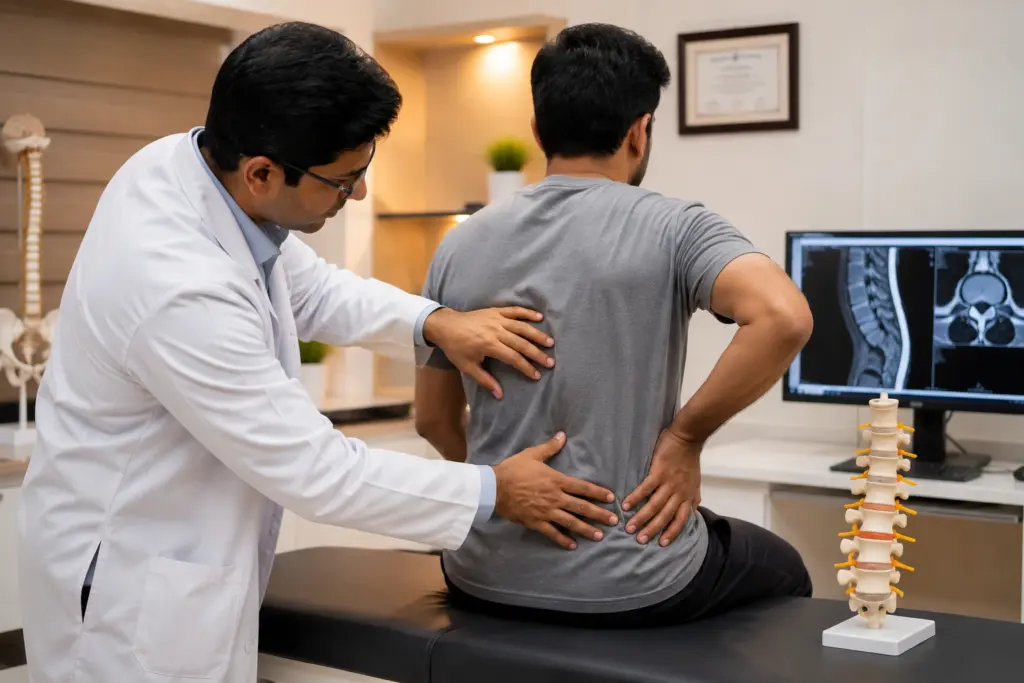
- Physical examination — checking posture, range of motion, and reflexes
- X-rays — to assess bone alignment and detect fractures
- MRI — to visualize discs, nerves, and soft tissue in detail
- CT scan — for a closer look at complex bone structures
- Nerve conduction studies — to confirm nerve compression in suspected sciatica cases
Home Remedies and Self-Care
For mild, recent-onset pain, these steps often help:
- Heat and cold therapy — ice for the first 48 hours, then heat to relax muscles
- Stretching exercises — gentle hamstring and lower back stretches
- Core strengthening — planks and bridges to support the spine
- Ergonomic improvements — proper chair height and monitor position
- Weight management — reducing strain on the lumbar spine
- Lifestyle changes — quitting smoking, staying active, improving sleep posture
Non-Surgical Treatments
Most patients respond well to conservative care before any invasive procedure is considered:
- Pain medications — short-term anti-inflammatory or muscle relaxant use under medical guidance
- Physiotherapy — targeted exercises to strengthen and mobilize the spine
- Epidural steroid injections — to reduce inflammation around compressed nerves
- PRP therapy — an emerging option for select degenerative conditions
- Spine rehabilitation programs — structured recovery plans for chronic cases
This is where a qualified spine specialist in Thalaghattapura plays a key role — customizing a treatment plan based on the exact cause rather than a one-size-fits-all approach.
When Surgery Is Needed
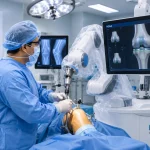
Surgery is usually considered only when conservative treatment fails after several weeks, or when there are red-flag symptoms like progressive weakness. Modern minimally invasive spine surgery techniques allow smaller incisions, less muscle disruption, and faster recovery compared to traditional open surgery. Recovery timelines vary — many patients return to light activity within a few weeks, with full recovery over a few months depending on the procedure.
Prevention Tips
- Maintain a neutral spine posture while sitting and standing
- Take movement breaks every 30–40 minutes during desk work
- Strengthen your core and back muscles regularly
- Use proper lifting technique — bend at the knees, not the waist
- Maintain a healthy body weight
- Invest in a supportive mattress and ergonomic chair
When to Consult an Orthopedic Specialist
See a specialist if your pain lasts more than two weeks, keeps returning, radiates down your leg, or is accompanied by numbness or weakness. Early evaluation of back pain causes prevents minor issues from developing into chronic lumbar spine pain or nerve damage.
Comparison Tables
Muscle Strain vs Herniated Disc
| Feature | Muscle Strain | Herniated Disc |
| Onset | Sudden, after lifting/twisting | Gradual or sudden |
| Pain type | Dull, localized ache | Sharp, radiating to leg |
| Numbness/tingling | Rare | Common |
| Typical recovery | 1–3 weeks with rest | Weeks to months, may need intervention |
Temporary Back Pain vs Serious Spine Condition
| Feature | Temporary Back Pain | Serious Spine Condition |
| Duration | Improves within 2 weeks | Persists beyond 2–4 weeks |
| Associated symptoms | None | Numbness, weakness, bladder issues |
| Response to rest | Improves | Little to no improvement |
| Action needed | Home care | Orthopedic evaluation |
Home Remedies vs Medical Treatment
| Feature | Home Remedies | Medical Treatment |
| Best for | Mild, early-stage pain | Persistent or severe pain |
| Examples | Heat/cold therapy, stretching | Physiotherapy, injections, surgery |
| Speed of relief | Gradual | Often faster, targeted |
| Professional guidance | Not required | Required |
Sciatica vs General Lower Back Pain
| Feature | Sciatica | General Lower Back Pain |
| Pain location | Radiates to buttock/leg | Stays localized to lower back |
| Cause | Nerve compression | Muscle, posture, or joint related |
| Sensation | Burning, shooting, tingling | Dull ache, stiffness |
| Treatment | Nerve-focused (physio, injections) | Rest, stretching, posture correction |
Frequently Asked Questions:
- What are the most common back pain causes?
The most common causes include muscle strain, poor posture, herniated discs, degenerative disc disease, and sciatica. Most cases are mechanical and improve with rest, stretching, and posture correction, though persistent pain should be evaluated by an orthopedic specialist to rule out nerve involvement. - How do I know if my back pain is serious?
Back pain that lasts more than two weeks, worsens at night, or comes with numbness, leg weakness, or bladder changes is considered serious. These red-flag symptoms warrant prompt evaluation by a spine specialist rather than continued home treatment. - Can poor posture really cause chronic back pain?
Yes. Prolonged sitting with a hunched posture places continuous strain on the lower back muscles and spinal discs. Over time, this posture-related back pain can become chronic if ergonomic habits and core strengthening aren’t addressed. - What is the difference between sciatica and normal back pain?
Sciatica involves nerve compression that causes pain to radiate from the lower back into the buttock and leg, often with tingling or numbness. General back pain typically stays localized without radiating symptoms. - When should I see an orthopedic doctor for back pain?
See a doctor if pain persists beyond two weeks, follows an injury, radiates to your legs, or is accompanied by numbness, weakness, or fever. Early diagnosis helps prevent minor issues from progressing into chronic spine conditions. - Is surgery always required for a herniated disc?
No. Most herniated disc cases improve with physiotherapy, medication, and activity modification. Surgery is only considered when conservative treatment fails after several weeks or when there’s significant nerve compression causing weakness. - What tests are used to diagnose back pain causes?
Diagnosis typically starts with a physical examination, followed by X-rays for bone alignment, MRI for soft tissue and nerve detail, and occasionally CT scans or nerve conduction studies for complex cases. - How can I prevent back pain from returning?
Regular core-strengthening exercises, correct lifting technique, an ergonomic workstation, and maintaining a healthy weight significantly reduce the risk of recurring back pain and long-term spine issues.
Conclusion
Back pain can stem from something as simple as a muscle strain or as complex as a herniated disc pressing on a nerve. Understanding the range of Back Pain Causes — from posture and lifestyle factors to degenerative spine conditions — helps you respond appropriately, whether that means home care or a specialist consultation. If your pain persists, radiates, or comes with numbness and weakness, don’t ignore it.
Call to Action
If you’re experiencing persistent back pain in Thalaghattapura, JP Nagar, Banashankari, Jayanagar, Bannerghatta Road, Doddakallasandra, or Vajrahalli, book a consultation with Dr. Vijay Kulkarni for expert diagnosis and a personalized treatment plan tailored to your spine health.