
If your shoulder has been aching for weeks, stiffening up every morning, or waking you up at night, you’re probably searching for answers — not surgery. That’s a reasonable place to start. A shoulder replacement surgeon in Subramanyapura can help you understand whether your symptoms point to a minor, treatable issue or something more significant, like advanced arthritis or joint damage.
It’s worth saying clearly: shoulder replacement is not the answer for every shoulder problem. Many people with shoulder pain improve with physiotherapy, activity changes, or medication. Surgery is generally considered only when joint damage is severe, symptoms are persistent, and appropriate non-surgical treatments haven’t given adequate relief. This article walks through the signs worth paying attention to, how doctors evaluate shoulder pain, and what total and reverse shoulder replacement actually involve.
Shoulder replacement surgery involves replacing damaged surfaces of the shoulder joint with artificial components to relieve pain and improve function. It may be considered for people with advanced shoulder arthritis, severe rotator cuff disease, or joint damage from injury when symptoms persist despite conservative care. Common warning signs include ongoing pain, night pain, stiffness, and difficulty with everyday tasks like dressing or reaching overhead. Orthopedic specialists confirm the diagnosis using clinical examination along with X-rays, and sometimes CT or MRI scans. Total shoulder replacement generally requires a functioning rotator cuff, while reverse shoulder replacement may be used when the rotator cuff is severely damaged. Because every shoulder and patient is different, treatment decisions are individualized based on diagnosis, joint condition, age, and activity level.
What Is Shoulder Replacement Surgery?
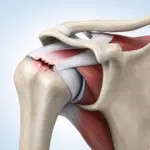
The shoulder is a ball-and-socket joint. The “ball” is the top of the upper arm bone (humeral head), and the “socket” is a shallow part of the shoulder blade called the glenoid. Smooth cartilage lets these surfaces glide against each other.
When this cartilage wears away or the joint is damaged by arthritis, injury, or rotator cuff disease, movement becomes painful and difficult. Shoulder replacement surgery involves removing the damaged joint surfaces and replacing them with artificial implants designed to restore smoother movement.
Shoulder replacement isn’t for everyone. It’s generally considered for select patients with significant joint damage, persistent symptoms, and inadequate improvement from other treatments.
What Causes Severe Shoulder Pain?
Shoulder pain has many possible causes, ranging from mild strain to serious joint disease. Common causes include:
- Shoulder arthritis (osteoarthritis or rheumatoid arthritis)
- Severe rotator cuff disease, including large or long-standing tears
- Previous shoulder injury, such as dislocation or fracture
- Fracture-related joint damage
- Avascular necrosis (loss of blood supply to bone)
- Age-related joint degeneration
Because so many conditions can cause similar symptoms, persistent shoulder pain should be properly evaluated rather than assumed to be one specific problem.
Signs You May Need Shoulder Replacement Surgery
These are signs an orthopedic specialist may look at closely — not symptoms that confirm you need surgery on their own.
1. Persistent Shoulder Pain
Pain that continues for weeks or months despite rest, medication, or physiotherapy deserves attention.
2. Severe Shoulder Arthritis
Advanced arthritis often causes a combination of pain, stiffness, and reduced strength that limits daily function.
3. Difficulty Performing Daily Activities
Watch for trouble with:
- Dressing or fastening buttons
- Bathing or washing hair
- Reaching overhead
- Combing or styling hair
- Lifting objects
- Sleeping comfortably on the affected side
4. Significant Loss of Shoulder Movement
As joint damage progresses, the shoulder may gradually lose its normal range of motion, making simple tasks feel restricted.
5. Night Pain
Pain that interferes with sleep can suggest significant joint disease. However, night pain alone doesn’t confirm that surgery is needed — it’s one piece of a larger clinical picture.
6. Failure of Non-Surgical Treatment
Surgery may be considered when appropriate conservative options haven’t controlled symptoms adequately, including:
- Activity modification
- Physiotherapy
- Pain management
- Selected injections
- Exercise-based rehabilitation
7. Advanced Joint Damage on Imaging
X-rays and, when appropriate, other imaging help evaluate joint-space narrowing, bone changes, deformity, bone loss, and other structural changes that support a surgical discussion.
Can Shoulder Pain Be Treated Without Surgery?
Yes — for many patients. Shoulder replacement is not the first-line treatment for most shoulder problems. Conservative options often tried first include:
- Activity modification
- Physiotherapy and range-of-motion exercises
- Strengthening exercises
- Appropriate pain management
- Injections in selected cases
- Treating the underlying condition directly
The right approach depends on the diagnosis, severity of joint damage, age, activity level, overall health, and functional needs. Two people with “shoulder arthritis” may need very different treatment plans.
When Is Shoulder Replacement Recommended?
Surgery may be considered when several factors line up together, such as:
- Severe joint damage confirmed on imaging
- Persistent pain despite treatment
- Significant functional limitation
- Reduced shoulder movement
- Symptoms clearly affecting quality of life
- Non-surgical treatment has not provided sufficient relief
Importantly, a consultation with a shoulder specialist does not automatically mean surgery will be recommended. Many patients are guided toward continued conservative management after evaluation.
What Is Total Shoulder Replacement?
Total shoulder replacement (total shoulder arthroplasty) replaces both damaged joint surfaces:
- The humeral head (ball) is replaced with a metal implant
- The glenoid (socket) surface is resurfaced with an implant, typically plastic
This restores the joint’s natural articulating surfaces. Total shoulder replacement may be considered for certain forms of arthritis, particularly when the rotator cuff is intact and functioning well. Suitability depends on the specific condition of the joint and surrounding soft tissues, which your surgeon evaluates individually.
What Is Reverse Shoulder Replacement?
Reverse shoulder replacement reverses the normal ball-and-socket arrangement — the ball component is attached to the shoulder blade side, and the socket component to the arm side. This design allows other shoulder muscles to compensate when the rotator cuff isn’t functioning properly.
It may be considered in selected patients with:
- Certain severe rotator cuff tears
- Cuff tear arthropathy (arthritis combined with rotator cuff damage)
- Some complex shoulder fractures
- Certain cases of arthritis with significant rotator cuff dysfunction
Reverse shoulder replacement is not automatically appropriate for everyone with a rotator cuff tear. The decision depends on the specific pattern of damage and overall shoulder function.
Total Shoulder Replacement vs Reverse Shoulder Replacement
| Feature | Total Shoulder Replacement | Reverse Shoulder Replacement |
| Joint design | Replaces damaged joint surfaces in a more conventional configuration | Reverses the ball-and-socket configuration |
| Rotator cuff | Generally requires a functioning rotator cuff | May be useful when the rotator cuff is severely deficient |
| Common use | Selected cases of shoulder arthritis | Selected arthritis/rotator cuff-related conditions |
| Decision basis | Joint and soft-tissue condition | Joint, rotator cuff, and other clinical factors |
| Suitability | Individualized | Individualized |
How Is Shoulder Replacement Diagnosed and Planned?
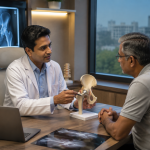
Clinical Examination
An orthopedic specialist typically assesses:
- Pain location and pattern
- Range of shoulder movement
- Muscle strength
- Joint stability
- Rotator cuff function
- Impact on daily function
- History of previous injuries or surgeries
Imaging
X-Ray — Used to assess joint-space narrowing, arthritis, bone changes, and alignment. Usually the first imaging test.
CT Scan — May be used when detailed information about bone anatomy or bone loss is needed for surgical planning.
MRI — May help evaluate the rotator cuff and other soft tissues in selected cases.
Not every patient needs all three tests. Your surgeon selects imaging based on your specific presentation.
What Happens During Shoulder Replacement Surgery?
A general overview of the process:
- Pre-operative assessment to confirm fitness for surgery
- Surgical access to the damaged joint
- Preparation of damaged bone and cartilage
- Positioning of the appropriate implant components
- Assessment of shoulder stability and movement
- Closure of the surgical wound
- Rehabilitation begins per the treating team’s protocol
The exact technique and implant choice vary based on individual anatomy, diagnosis, and the surgeon’s clinical judgment.
Shoulder Replacement Recovery
Recovery varies from person to person and depends on the type of surgery performed. In general, recovery involves:
- Early protection of the joint (often with a sling)
- Gradual restoration of movement under supervision
- Structured physiotherapy
- Progressive strengthening exercises
- Regular follow-up appointments
- Gradual, guided return to normal activities
Pain improvement, strength recovery, and return to activity can occur at different rates for different people. No specific timeline applies to everyone, and your surgeon will guide expectations based on your individual progress.
Factors That Can Affect Recovery
- Age
- Overall health
- Bone quality
- Muscle strength
- Rotator cuff condition
- Type of shoulder replacement performed
- Previous shoulder surgery
- Participation in rehabilitation
- Other medical conditions
- Activity level
Possible Risks and Complications
As with any surgery, shoulder replacement carries potential risks, including:
- Infection
- Bleeding
- Stiffness
- Instability of the joint
- Nerve or blood vessel injury
- Implant loosening or wear over time
- Fracture around the implant
- Persistent pain
- Possible need for additional surgery
Risk levels vary depending on the specific procedure, implant type, and the patient’s overall health. Your surgeon will discuss risks relevant to your individual case before any decision is made.
Home Care and Rehabilitation After Surgery
General guidance following shoulder replacement typically includes:
- Following the surgeon’s specific instructions
- Using the sling as advised
- Performing prescribed exercises consistently
- Attending physiotherapy sessions
- Avoiding lifting or movements restricted by the treating team
- Keeping the surgical wound clean as instructed
- Attending all scheduled follow-up visits
- Reporting unusual swelling, fever, worsening pain, or drainage promptly
Individualized post-operative instructions should always come directly from your treating surgeon and rehabilitation team.
Shoulder Arthritis Treatment
Shoulder arthritis treatment depends heavily on severity and symptoms rather than a one-size-fits-all approach. Options generally considered include:
- Activity modification
- Physiotherapy and targeted exercises
- Pain management strategies
- Selected injections
- Management of underlying inflammatory conditions (e.g., rheumatoid arthritis)
- Surgical options for advanced joint damage
Shoulder replacement may be considered when severe arthritis causes persistent symptoms and other appropriate treatments no longer provide sufficient relief — but this is always an individualized decision made after thorough evaluation.
Shoulder Pain Treatment in Subramanyapura
People searching for shoulder pain treatment in Subramanyapura are often dealing with different underlying causes — arthritis, rotator cuff problems, old injuries, stiffness after immobility, or overuse from sports and daily activity. Because these conditions can present with overlapping symptoms, a proper orthopedic assessment is the most reliable way to identify the actual cause.
An evaluation with a shoulder replacement doctor in Subramanyapura can help determine whether your treatment path should involve conservative care, physiotherapy, injections, or — for select cases of advanced joint damage — surgical evaluation. Residents of Subramanyapura and nearby areas including JP Nagar, Jayanagar, Banashankari, Bannerghatta Road, Doddakallasandra, and Vajrahalli can access orthopedic consultation without needing to travel to distant parts of the city for an initial evaluation.
Why Choose an Orthopedic Specialist for Shoulder Replacement?
Shoulder problems can be complex, and getting the diagnosis right matters. A qualified orthopedic specialist brings value through:
- Accurate diagnosis of the underlying cause
- Understanding what’s driving your specific pain pattern
- Assessing the extent of joint damage
- Evaluating rotator cuff function in detail
- Reviewing imaging findings in clinical context
- Discussing non-surgical alternatives honestly
- Selecting the appropriate type of replacement when surgery is indicated
- Planning rehabilitation tailored to the procedure
- Providing long-term follow-up care
Dr. Vijay Kulkarni is an orthopedic surgeon whose clinical practice includes shoulder surgery alongside knee and hip care, sports injury treatment, arthroscopy, and trauma and fracture management. His approach centers on identifying the actual cause of shoulder pain through examination and appropriate imaging, then discussing suitable treatment options — surgical or non-surgical — based on individual clinical findings.
When Should You See an Orthopedic Surgeon?
Consider scheduling an orthopedic evaluation if:
- Shoulder pain persists for several weeks
- Pain interferes with your sleep
- Shoulder movement becomes noticeably restricted
- Daily activities become difficult to perform
- Pain repeatedly returns after improving
- Conservative treatment hasn’t provided adequate improvement
- Imaging shows significant arthritis or joint damage
- You have a history of major shoulder injury
- You’re actively considering shoulder replacement surgery
Seek prompt medical attention if you experience sudden severe pain after trauma, an obvious shoulder deformity, inability to move the arm, or symptoms suggesting nerve or blood-vessel involvement (such as numbness, tingling, or a cold, pale arm). These situations should not wait for a routine appointment.
Prevention and Shoulder Health Tips
While not every shoulder condition is preventable, these habits support long-term shoulder health:
- Maintain shoulder mobility through regular movement
- Strengthen supporting muscles appropriately, ideally with guidance
- Use proper technique during sports and exercise
- Avoid repetitive overuse when possible
- Treat shoulder injuries promptly rather than ignoring them
- Maintain a healthy body weight
- Follow rehabilitation programs fully after any injury
- Seek evaluation early for persistent shoulder pain rather than waiting
Comparison Tables
Symptoms That May Suggest Significant Shoulder Joint Disease
| Symptom | What It May Indicate |
| Persistent pain | Ongoing joint or soft-tissue problem |
| Night pain | Significant shoulder symptoms affecting sleep |
| Stiffness | Reduced joint mobility |
| Difficulty reaching overhead | Reduced shoulder function |
| Difficulty dressing | Functional limitation |
| Reduced strength | Possible joint or rotator cuff problem |
These symptoms do not automatically mean shoulder replacement is required — they indicate a need for proper evaluation.
Non-Surgical Treatment vs Shoulder Replacement
| Factor | Non-Surgical Treatment | Shoulder Replacement |
| Typical use | Mild to moderate or selected conditions | Selected advanced joint disease |
| Main methods | Physiotherapy, activity modification, medication/injections when appropriate | Replacement of damaged joint surfaces |
| Surgery required | No | Yes |
| Rehabilitation | Often required | Essential after surgery |
| Decision basis | Diagnosis and symptoms | Joint damage, symptoms, and clinical assessment |
Frequently Asked Questions:
- When is shoulder replacement surgery needed?
Shoulder replacement may be considered when severe joint damage causes persistent pain, stiffness, and functional limitation that hasn’t improved with appropriate non-surgical treatment. It’s not the first option for most shoulder problems and is decided after clinical examination and imaging confirm significant joint disease. - Can shoulder arthritis be treated without surgery?
Yes, many cases of shoulder arthritis are managed initially with activity modification, physiotherapy, pain management, and sometimes injections. Surgery is generally considered only when these approaches no longer provide adequate relief and joint damage is advanced. Treatment depends on severity and individual factors. - What are the signs that I may need shoulder replacement?
Signs that warrant evaluation include persistent pain, night pain, significant stiffness, reduced range of motion, and difficulty with daily tasks like dressing or reaching overhead. These symptoms alone don’t confirm the need for surgery — a specialist assessment and imaging are needed to determine the cause. - What is the difference between total shoulder replacement and reverse shoulder replacement?
Total shoulder replacement replaces the joint surfaces in a conventional ball-and-socket configuration and generally requires a functioning rotator cuff. Reverse shoulder replacement flips this arrangement and may be used when the rotator cuff is severely damaged. The right choice depends on individual joint and soft-tissue condition. - How long does shoulder replacement recovery take?
Recovery timelines vary between individuals based on factors like age, overall health, the type of procedure performed, and rehabilitation participation. Recovery generally involves early joint protection, gradual movement restoration, and progressive strengthening under professional guidance rather than a fixed timeline. - Is shoulder replacement suitable for everyone with shoulder pain?
No. Shoulder replacement is considered for select patients with significant, confirmed joint damage after other treatments haven’t helped. Most people with shoulder pain are managed with conservative treatment. A thorough evaluation is needed to determine whether surgery is appropriate for your specific condition. - When should I see an orthopedic surgeon for shoulder pain?
Consider an evaluation if pain persists for several weeks, disrupts sleep, restricts movement, or hasn’t improved with conservative care. Sudden severe pain after injury, visible deformity, or inability to move the arm needs prompt medical attention rather than a routine appointment. - Where can I consult a shoulder replacement surgeon in Subramanyapura?
Residents of Subramanyapura and nearby areas such as JP Nagar, Jayanagar, and Banashankari can consult Dr. Vijay Kulkarni for evaluation of persistent shoulder pain, arthritis, or rotator cuff-related concerns. A clinical assessment will help determine the most appropriate next steps for your condition.
Conclusion
Not all shoulder pain requires surgery — and that’s an important starting point. Shoulder replacement may be considered for selected patients dealing with significant joint damage, persistent pain, severe arthritis, stiffness, or a real loss of function that hasn’t responded to appropriate conservative treatment. Total shoulder replacement and reverse shoulder replacement serve different clinical situations, and the right choice — surgical or not — depends on a proper clinical examination and imaging.
If you’re dealing with ongoing shoulder pain and want clarity on your options, consulting a shoulder replacement surgeon in Subramanyapura is a reasonable first step toward understanding what’s actually going on and what treatment path fits your situation. Recovery and long-term outcomes, when surgery is appropriate, also depend on structured rehabilitation and consistent follow-up care.
Call To Action:
Living with shoulder pain that won’t go away? If you’re in Subramanyapura, JP Nagar, Jayanagar, Banashankari, Bannerghatta Road, Doddakallasandra, or Vajrahalli, you don’t need to keep guessing what’s causing your discomfort.
Dr. Vijay Kulkarni offers orthopedic evaluation for persistent shoulder pain, shoulder arthritis, rotator cuff-related problems, and — where appropriate — assessment for shoulder replacement surgery. A proper clinical examination and imaging can help clarify your diagnosis and outline suitable treatment options, surgical or otherwise.
Book an orthopedic consultation today to get a clear, individualized understanding of your shoulder health.