
If you’ve been living with shoulder pain for weeks and it just doesn’t seem to ease up, you’re not alone — and you shouldn’t have to just “wait it out.” Persistent shoulder pain can quietly limit everyday tasks like reaching for a shelf, wearing a shirt, or sleeping on one side. When over-the-counter painkillers and rest stop helping, it’s often time to consult a shoulder replacement surgeon in Raghuvanahalli who can identify the real cause and guide you toward lasting relief.
This guide walks you through why shoulder pain lingers, what conditions commonly cause it, home remedies that genuinely help, and when it’s time to see a specialist.
Shoulder pain that doesn’t go away is usually caused by rotator cuff injuries, frozen shoulder, arthritis, or impingement syndrome. If pain persists beyond 2–3 weeks, disturbs sleep, or limits movement, it’s best to consult an orthopaedic surgeon for accurate diagnosis and timely treatment.
Persistent shoulder pain is commonly caused by rotator cuff injuries, frozen shoulder, shoulder arthritis, impingement syndrome, or bursitis. Risk increases with age, diabetes, repetitive overhead work, and poor posture. Warning signs like night pain, weakness, clicking sounds, or reduced range of motion should not be ignored. Diagnosis typically involves a physical exam, X-ray, ultrasound, or MRI. Treatment ranges from physiotherapy and injections to arthroscopy or shoulder replacement surgery for advanced cases. Patients in Raghuvanahalli and nearby areas like JP Nagar, Jayanagar, and Bannerghatta Road can consult Dr. Vijay Kulkarni, an experienced orthopaedic surgeon, for personalised evaluation and treatment.
Why Shoulder Pain Doesn’t Go Away
The shoulder is the most mobile joint in the body, which also makes it the most vulnerable to wear, injury, and instability. Unlike a sprained ankle that heals with rest, shoulder pain often lingers because the joint relies on a delicate balance of tendons, muscles, and cartilage that don’t always heal well on their own — especially without proper diagnosis. Continuing to use the arm normally while an underlying issue like a partial tear or early arthritis goes untreated can make the problem worse over time.
Understanding Shoulder Anatomy
To understand why shoulder pain persists, it helps to know what’s actually inside the joint:
- Shoulder bones – The humerus (upper arm bone), scapula (shoulder blade), and clavicle (collarbone) form the joint.
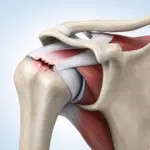
- Rotator cuff – A group of four muscles and tendons that stabilise the shoulder and allow arm rotation.
- Tendons – Connect muscles to bone and are common sites of inflammation or tearing.
- Ligaments – Hold the joint bones together and maintain stability.
- Cartilage – Cushions the joint surfaces; wear and tear here leads to arthritis.
- Bursa – Small fluid-filled sacs that reduce friction between bones and soft tissue; inflammation here causes bursitis.
Damage to any one of these structures can cause pain that doesn’t resolve without targeted treatment.
Common Causes of Persistent Shoulder Pain
- Rotator cuff injury – Tears or inflammation from overuse, ageing, or trauma.
- Frozen shoulder (adhesive capsulitis) – Progressive stiffness and pain that restricts movement.
- Shoulder arthritis – Cartilage breakdown causing pain, stiffness, and swelling.
- Shoulder impingement syndrome – Tendons get pinched during arm movement, especially overhead.
- Shoulder bursitis – Inflammation of the bursa, often linked to repetitive motion.
- Labral tears – Damage to the cartilage rim that stabilises the joint.
- Shoulder instability – Frequent dislocations or a feeling that the joint may “give way.”
- Sports injuries – Common in swimmers, throwers, and racquet-sport players.
- Fractures – Trauma from falls or accidents affecting the collarbone or upper arm.
- Tendinitis – Inflammation of tendons from repetitive strain.
- Muscle strain – Overexertion or sudden awkward movement.
- Cervical spine-related shoulder pain – Neck issues that refer pain into the shoulder.
Risk Factors
Certain factors make shoulder problems more likely:
| Risk Factor | Why It Matters |
| Age | Tendons and cartilage naturally weaken over time |
| Diabetes | Linked to higher risk of frozen shoulder |
| Sports participation | Repetitive overhead motion strains the joint |
| Poor posture | Increases impingement and muscle imbalance |
| Repetitive overhead activities | Common in painters, athletes, and gym-goers |
| Certain occupations | Manual labour or desk jobs with poor ergonomics |
| Previous shoulder injuries | Raises risk of re-injury or chronic instability |
Symptoms That Should Not Be Ignored
While mild, short-term soreness is often harmless, watch for these warning signs:
- Pain that worsens at night and disrupts sleep
- Noticeable weakness when lifting or rotating the arm
- Clicking or popping sounds during movement
- Reduced range of motion that limits daily activities
- A feeling of shoulder instability or the joint “slipping”
- Persistent swelling around the joint
- Numbness or tingling down the arm
- Inability to lift the arm above shoulder height
If you notice any of these, it’s a strong signal to consult an orthopaedic doctor in Raghuvanahalli rather than waiting further.
Diagnosis by an Orthopaedic Specialist
An accurate diagnosis is the foundation of effective treatment. A specialist evaluation typically includes:
- Medical history – Understanding when the pain started and what triggers it.
- Physical examination – Checking for tenderness, swelling, and deformity.
- Range of motion testing – Assessing how far the joint can move in different directions.
- Strength assessment – Identifying weakness linked to specific muscles or tendons.
- X-ray – Rules out fractures and shows joint space narrowing from arthritis.
- Ultrasound – Useful for visualising soft tissue and tendon tears in real time.
- MRI – Provides detailed imaging of tendons, ligaments, and cartilage.
- CT scan – Helpful for complex fractures or pre-surgical planning.
Home Remedies That May Relieve Shoulder Pain
For mild or early-stage pain, these measures can help:
- RICE method – Rest, Ice, Compression, Elevation for acute pain
- Shoulder mobility exercises – Gentle range-of-motion movements
- Stretching exercises – To reduce stiffness and improve flexibility
- Strengthening exercises – To support the rotator cuff and stabilising muscles
- Activity modification – Avoiding movements that worsen pain
- Proper posture – Reduces strain on the shoulder joint
- Ice and heat therapy – Ice for inflammation, heat for stiffness
- Pain medications – Over-the-counter options for short-term relief (always consult a doctor before regular use)
These remedies work best for mild strain but are not a substitute for professional evaluation if pain persists beyond two to three weeks.
Non-Surgical Treatments
Physiotherapy
A structured physiotherapy programme is often the first line of treatment. It focuses on restoring strength, flexibility, and joint stability, and can significantly delay or even avoid the need for surgery in many cases.
Medications
Anti-inflammatory medications may be prescribed to manage pain and swelling during the initial phase of treatment.
Activity Modification and Lifestyle Changes
Adjusting daily habits — like avoiding repetitive overhead lifting or correcting posture at a desk — supports long-term recovery.
Injection Therapies
- Corticosteroid injections – Reduce inflammation and provide short- to medium-term relief.
- PRP therapy (Platelet-Rich Plasma) – Uses the body’s own growth factors to support tissue healing, often considered for tendon injuries.
- Hyaluronic acid injections – Sometimes used to improve joint lubrication in select arthritis cases.
When Surgery Becomes Necessary
Surgery is generally considered when non-surgical treatment fails to relieve symptoms or when structural damage is significant.
- Shoulder arthroscopy – A minimally invasive procedure to diagnose and treat issues like labral tears, impingement, or mild rotator cuff damage.
- Rotator cuff repair – Recommended for patients with significant tears causing weakness and pain that doesn’t respond to conservative care.
- Shoulder replacement surgery – Considered for advanced arthritis where the joint surfaces are severely damaged and pain limits daily function.
- Reverse shoulder replacement – Suitable for patients with a combination of arthritis and a severely torn rotator cuff, where a standard replacement would not function well.
Recovery Timeline
| Treatment | Typical Recovery Window |
| Physiotherapy | Several weeks, with gradual improvement |
| Arthroscopy | A few weeks for light activity; full recovery in 2–3 months |
| Rotator cuff repair | 4–6 months for full strength and motion |
| Shoulder replacement surgery | 3–6 months for significant functional recovery |
Recovery timelines vary based on age, overall health, and adherence to physiotherapy, so your surgeon will personalise expectations during consultation.
Prevention Tips
- Warm up before sports or heavy lifting
- Maintain good posture, especially during desk work
- Strengthen shoulder and upper back muscles regularly
- Avoid repetitive overhead strain without breaks
- Manage conditions like diabetes that increase joint risk
- Don’t ignore early signs of stiffness or discomfort
When to Consult an Orthopaedic Surgeon
Early diagnosis leads to better outcomes and often avoids the need for more invasive treatment later. You should consult a specialist if:
- Pain persists beyond two to three weeks despite rest and home care
- Pain is severe enough to disturb sleep
- You notice weakness, instability, or reduced range of motion
- There’s a history of injury or trauma to the shoulder
- Symptoms are affecting your daily activities or work
A timely visit to a shoulder pain specialist in Raghuvanahalli can help catch conditions like rotator cuff tears or early arthritis before they progress further.
Comparison Tables
Frozen Shoulder vs Rotator Cuff Injury
| Feature | Frozen Shoulder | Rotator Cuff Injury |
| Main symptom | Progressive stiffness | Weakness and pain during movement |
| Onset | Gradual, over months | Can be sudden (injury) or gradual (wear) |
| Range of motion | Severely restricted in all directions | Restricted mainly in specific movements |
| Common cause | Capsule inflammation, diabetes | Overuse, ageing, trauma |
Temporary Shoulder Pain vs Serious Shoulder Condition
| Feature | Temporary Pain | Serious Condition |
| Duration | Resolves within days | Persists beyond 2–3 weeks |
| Response to rest | Improves with rest | Little to no improvement |
| Night pain | Rare | Common |
| Range of motion | Normal | Reduced |
Home Remedies vs Medical Treatment
| Feature | Home Remedies | Medical Treatment |
| Best for | Mild strain, minor soreness | Persistent, worsening, or severe pain |
| Approach | Rest, ice, gentle stretching | Diagnosis-based, targeted therapy |
| Long-term effectiveness | Limited for structural issues | Addresses root cause |
Arthroscopy vs Shoulder Replacement Surgery
| Feature | Arthroscopy | Shoulder Replacement |
| Invasiveness | Minimally invasive | Major joint surgery |
| Used for | Labral tears, mild rotator cuff issues, impingement | Advanced arthritis, severe joint damage |
| Recovery time | Weeks to a few months | Several months |
| Joint replaced | No | Yes |
Frequently Asked Questions:
- Why does my shoulder pain keep coming back? Recurring shoulder pain often points to an underlying issue like a partial rotator cuff tear, tendinitis, or early arthritis that hasn’t fully healed. Without proper diagnosis and targeted treatment, the same movements or strain can repeatedly trigger discomfort. A specialist evaluation helps identify the root cause.
- Can frozen shoulder heal without surgery? Yes, many cases of frozen shoulder improve with physiotherapy, stretching exercises, and sometimes injection therapy. Recovery can take several months to over a year depending on severity. Surgery is only considered when conservative treatment doesn’t restore adequate movement.
- Is shoulder replacement surgery painful? Modern shoulder replacement surgery is performed under anaesthesia, so the procedure itself isn’t painful. Post-surgical discomfort is managed with medication and typically eases within the first few weeks, followed by a structured rehabilitation programme to restore strength and motion.
- How do I know if my shoulder pain is serious? Warning signs include night pain, weakness, clicking, reduced range of motion, swelling, or numbness. If pain persists beyond two to three weeks despite rest, it’s best to consult an orthopaedic surgeon for proper evaluation rather than waiting further.
- What is the difference between shoulder arthritis and rotator cuff injury? Shoulder arthritis involves cartilage wear within the joint, causing stiffness and deep aching pain, while a rotator cuff injury affects the tendons and muscles around the joint, often causing weakness and pain during specific movements like lifting the arm.
- How long does it take to recover from rotator cuff repair? Full recovery from rotator cuff repair generally takes four to six months, though light activities may resume earlier. Physiotherapy plays a crucial role in regaining strength and flexibility, and following the prescribed rehabilitation plan significantly improves outcomes.
- Can I still exercise with shoulder pain? Light, doctor-approved movement can help in some cases, but exercises that worsen pain or involve heavy lifting should be avoided until a diagnosis is made. An orthopaedic surgeon or physiotherapist can guide you on safe activity levels.
- When should I see a doctor instead of using home remedies? If shoulder pain doesn’t improve within two to three weeks, disturbs your sleep, or comes with weakness, swelling, or reduced movement, it’s time to see a doctor. Home remedies work for mild strain but can’t address structural damage.
Conclusion
Shoulder pain that lingers for weeks isn’t something to simply push through — it’s often your body signalling an underlying issue that needs proper attention. From rotator cuff injuries and frozen shoulder to arthritis and impingement, the causes vary, but the path forward starts with an accurate diagnosis. Whether your treatment involves physiotherapy, injections, or surgery, consulting an experienced shoulder replacement surgeon in Raghuvanahalli ensures you get a plan tailored to your specific condition, so you can get back to daily life without pain holding you back.
Book Appointment:
Don’t let shoulder pain limit your daily life. If you’re in Raghuvanahalli, JP Nagar, Jayanagar, Banashankari, Bannerghatta Road, Doddakallasandra, Vajrahalli, or Kanakapura Road, book a consultation with Dr. Vijay Kulkarni for expert diagnosis and a personalised shoulder pain treatment plan. Early evaluation can make all the difference in your recovery journey — schedule your appointment today.