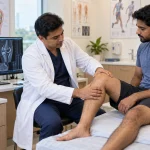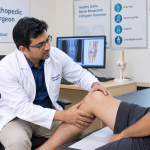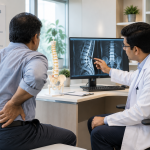
If you find yourself wincing every time you reach for a shelf, struggle to sleep on one side, or notice your shoulder feels weaker than it used to, you may be dealing with more than simple muscle strain. These signs can point to a rotator cuff problem, one of the most common causes of shoulder pain in adults. For anyone searching for rotator cuff tear treatment in Uttarahalli, understanding what’s happening inside the shoulder is the first step toward getting the right care.
The rotator cuff is a group of muscles and tendons that keep your shoulder stable and mobile. When it’s irritated, strained, or torn, everyday movements like lifting a bag, driving, or getting dressed can become painful. A proper diagnosis matters because the right treatment path depends heavily on the type and severity of the injury — not every shoulder pain is the same, and not every tear needs surgery.
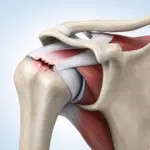
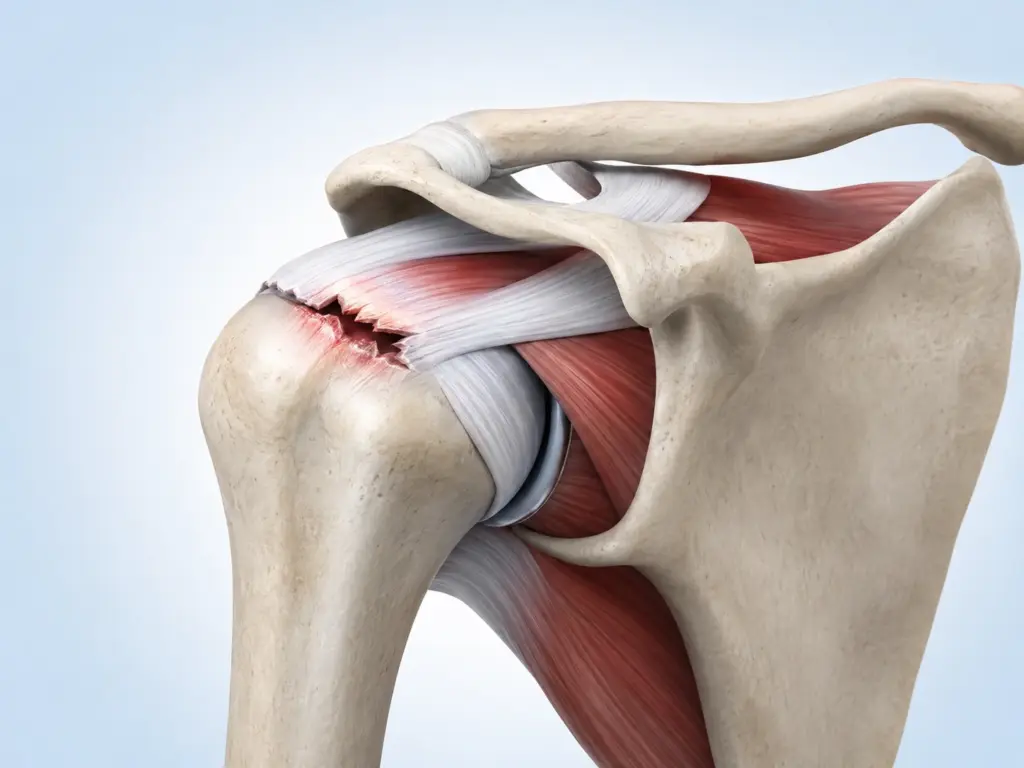
A rotator cuff tear occurs when one or more tendons connecting the shoulder muscles to the upper arm bone become partially or fully torn. Common symptoms include shoulder pain, night pain, weakness, and difficulty lifting or rotating the arm. Causes range from gradual tendon wear with age to sudden injuries like falls or heavy lifting. Diagnosis typically involves a physical exam and imaging such as ultrasound or MRI. Many patients benefit from non-surgical treatment, including physiotherapy and activity modification. Surgery may be considered for larger tears, significant weakness, or when conservative treatment does not improve symptoms. An orthopedic evaluation helps determine the most appropriate treatment path for each individual.
What Is a Rotator Cuff Tear?
The rotator cuff is a group of four muscles and their tendons that surround the shoulder joint. Together, they hold the upper arm bone securely in the shoulder socket while allowing you to lift, rotate, and reach in different directions.
A rotator cuff problem can range from mild irritation of the tendon to an actual tear. Tendon irritation, sometimes called tendinitis, happens when the tissue becomes inflamed from overuse or minor wear. A tear, on the other hand, involves an actual break in the tendon fibers.
Tears are generally classified as:
- Partial-thickness tear — the tendon is damaged but not completely torn through.
- Full-thickness tear — the tendon is completely torn, separating it either partly or fully from the bone.
The distinction matters because it influences how symptoms present and what treatment options may be appropriate.
Rotator Cuff Anatomy
Understanding the basic anatomy can help you make sense of your symptoms.
- Supraspinatus — helps lift the arm away from the body; the most commonly torn tendon.
- Infraspinatus — assists with rotating the arm outward.
- Teres minor — works alongside the infraspinatus for outward rotation.
- Subscapularis — helps rotate the arm inward and stabilizes the front of the joint.
- Shoulder joint — a ball-and-socket joint that relies on the rotator cuff for stability.
- Bursa — a small fluid-filled sac that cushions the tendons and can also become inflamed, contributing to pain.
Rotator Cuff Tear Symptoms
Rotator cuff tear symptoms vary depending on the size and cause of the tear, but commonly include:
- Dull, aching shoulder pain, often deep in the joint
- Pain that worsens at night, especially when lying on the affected side
- Pain when lifting the arm, particularly overhead
- Noticeable weakness when lifting or rotating the arm
- Difficulty reaching overhead, such as putting away dishes
- Difficulty reaching behind the back, like fastening a bra or tucking in a shirt
- Reduced range of motion in the shoulder
- A clicking, popping, or catching sensation with movement
- Sudden, sharp pain following a fall or injury, sometimes with an audible pop
Not everyone experiences all these symptoms, and some smaller tears may cause only mild discomfort.
Common Causes of Rotator Cuff Injury
A rotator cuff injury can develop gradually or happen suddenly.
Age-Related Degeneration
Tendons naturally lose some strength and elasticity over time, making them more prone to wear and tear, especially after age 40.
Repetitive Overhead Activity
Jobs or hobbies involving frequent overhead reaching — such as painting, construction work, or certain gym exercises — can gradually stress the tendon.
Sports Injuries
Sports involving repetitive overhead motion, like swimming, tennis, badminton, or throwing sports, can strain the rotator cuff over time.
Falls
Landing on an outstretched arm or falling directly onto the shoulder can cause a sudden, traumatic tear.
Heavy Lifting
Lifting objects that are too heavy, especially with poor form, can strain or tear the tendon.
Sudden Pulling Movements
A sudden jerking motion, such as trying to catch something heavy, can injure the cuff.
Shoulder Impingement
When the tendon is repeatedly pinched between bones during arm movement, it can become irritated and weakened over time.
Poor Shoulder Mechanics
Muscle imbalances or poor posture can alter how the shoulder moves, placing extra stress on the rotator cuff.
Why Does My Shoulder Hurt When I Lift My Arm?
Shoulder pain when lifting arm can come from several overlapping conditions, and a rotator cuff tear is just one possibility.
- Rotator cuff tears often cause pain and weakness specifically during the lifting motion.
- Tendinitis involves inflammation of the tendon without a structural tear, often causing similar pain.
- Bursitis is inflammation of the cushioning sac near the tendons, which can mimic rotator cuff pain.
- Shoulder impingement occurs when tendons are compressed during overhead movement.
- Arthritis in the shoulder joint can cause stiffness and pain that worsens with activity.
- Muscle strain from overuse can also cause temporary pain during lifting.
Because these conditions can overlap or occur together, an orthopedic evaluation can help determine which one — or combination — is responsible for your symptoms.
Risk Factors for Rotator Cuff Tears
- Increasing age
- Repetitive overhead activities at work or in sports
- Participation in throwing or racquet sports
- Manual labor occupations
- A previous shoulder injury
- Smoking, which can affect tendon blood supply
- Muscle weakness around the shoulder
- Degenerative tendon changes over time
Diagnosis of a Rotator Cuff Tear
Because shoulder pain can stem from several different conditions, professional diagnosis is important before starting treatment.
Physical Examination
An orthopedic specialist may assess:
- Shoulder range of motion
- Muscle strength during specific movements
- Location and pattern of pain
- Joint stability
- Specific clinical shoulder tests
- Functional limitations in daily activities
Imaging Tests
Depending on the physical exam findings, imaging may be recommended. Not every patient needs every test.
X-ray Useful for assessing bone alignment, arthritis, bone spurs, and other structural changes. X-rays do not directly show tendon tears.
Ultrasound Allows dynamic evaluation of the rotator cuff tendons as the shoulder moves, and can help identify tears in some cases.
MRI Provides detailed images of soft tissue, helping evaluate the presence, size, and pattern of a tear, along with the quality of the surrounding muscle.
CT Scan Generally more useful for detailed bone assessment and may be selected in specific situations, such as evaluating complex fractures or planning certain surgeries.
Rotator Cuff Tear Treatment Options
Rotator cuff tear treatment in Uttarahalli, like anywhere else, depends on multiple individual factors rather than a one-size-fits-all approach. These include:
- The size and location of the tear
- Whether it is a partial or full-thickness tear
- Severity and duration of symptoms
- Patient age
- Activity level and functional demands
- How the injury occurred
- Shoulder strength and stability
- Response to earlier conservative treatment, if any
Non-Surgical Treatment
Many rotator cuff tears, especially smaller or degenerative ones, may initially be managed without surgery.
Rest and Activity Modification
Avoiding activities that aggravate symptoms allows inflamed tissue time to settle.
Ice or Heat
Ice may help reduce pain and swelling after activity, while heat may help ease stiffness. Use should be guided by what feels comfortable and appropriate for your specific condition.
Physiotherapy
A structured physiotherapy program may include:
- Range-of-motion exercises to maintain shoulder mobility
- Rotator cuff strengthening exercises
- Scapular (shoulder blade) strengthening
- Postural correction
- A gradual, guided return to normal activity
Pain Medications
Over-the-counter or prescribed pain relief may help manage symptoms. Patients should follow medical advice and discuss any existing health conditions or contraindications before taking medication.
Corticosteroid Injections
These injections may help reduce inflammation and pain for some patients, offering temporary relief. They are not a permanent fix for a structural tear and are generally used selectively.
PRP Therapy
Platelet-rich plasma (PRP) therapy is sometimes discussed as a treatment option. Evidence and suitability can vary depending on the specific condition, and it should be discussed individually with your treating doctor.
Bracing or Support
A shoulder support may be considered in certain situations, such as after an acute injury. Prolonged immobilization is generally not recommended without medical guidance, as it can lead to stiffness.
When Is Rotator Cuff Surgery Needed?
Surgery is not automatically required for every rotator cuff tear. Many patients improve significantly with non-surgical care. However, rotator cuff surgery in Uttarahalli may be considered in certain situations, such as:
- An acute, traumatic full-thickness tear, especially in an otherwise active individual
- Significant weakness that limits daily function
- Persistent pain despite an appropriate course of conservative treatment
- Ongoing functional limitations affecting work or daily life
- Large or retracted tears identified on imaging
- Active individuals, including athletes, who require full shoulder strength
- Failure to improve after a genuine trial of physiotherapy and other non-surgical measures
The decision to proceed with surgery is individualized and made after a thorough clinical evaluation.
Rotator Cuff Repair
Rotator cuff repair refers to surgically reattaching a torn tendon back to the bone. During the procedure, the surgeon prepares the tendon edge and bone surface, then secures the tendon in place using specialized anchors and sutures.
Repair may be appropriate when a tear is causing significant symptoms and has not responded adequately to conservative treatment. Several factors affect whether a tear is repairable, including tear size, tissue quality, chronicity of the injury, and the condition of the surrounding muscle.
Rehabilitation after surgery plays a central role in the outcome, and following the prescribed physiotherapy program is an important part of recovery.
Shoulder Arthroscopy for Rotator Cuff Tear
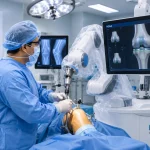
Shoulder arthroscopy in Uttarahalli is a minimally invasive technique used to evaluate and treat rotator cuff tears. Instead of one large incision, the surgeon uses a few small incisions.
A tiny camera, called an arthroscope, is inserted through one incision to give a clear, magnified view of the shoulder joint on a monitor. Specialized instruments are passed through the other small incisions to repair the torn tendon.
This approach also allows the surgeon to evaluate and address other related shoulder problems, such as impingement or bursitis, during the same procedure. Arthroscopy may be selected in appropriate patients based on the tear pattern and overall shoulder condition.
Recovery After Rotator Cuff Treatment or Surgery
Recovery timelines vary from patient to patient, depending on the type of treatment, tear severity, and individual healing response. A general overview includes:
- Initial focus on pain control in the first few days
- Use of a sling when indicated, to protect the repair or injured area
- Early, protected movement guided by your surgeon or physiotherapist
- Structured physiotherapy to gradually restore motion
- Progressive strengthening exercises as healing allows
- Gradual return to daily activities
- Return to sports or heavy activity only after appropriate clearance
Recovery is not identical for every patient, and timelines should be discussed individually with your treating orthopedic surgeon.
Home Care and Prevention Tips
- Avoid painful overhead activity during recovery
- Follow your prescribed physiotherapy program consistently
- Work on maintaining shoulder mobility within a comfortable range
- Strengthen shoulder and upper-back muscles to support the joint
- Use proper technique when lifting objects
- Warm up thoroughly before sports or exercise
- Avoid sudden increases in training intensity or workload
- Maintain good posture, especially during desk work
- Seek evaluation promptly after any significant shoulder trauma
Comparison Tables
Table 1: Rotator Cuff Tendinitis vs Rotator Cuff Tear
| Factor | Tendinitis | Rotator Cuff Tear |
| Cause | Overuse, inflammation | Degeneration or traumatic injury |
| Symptoms | Pain with activity, some stiffness | Pain, weakness, possible night pain |
| Weakness | Usually mild or absent | Often present, may be significant |
| Diagnosis | Clinical exam, sometimes ultrasound | Clinical exam plus imaging (ultrasound/MRI) |
| Treatment | Rest, physiotherapy, anti-inflammatory care | Depends on tear size and symptoms |
| Surgery | Rarely needed | May be considered in select cases |
Table 2: Conservative Treatment vs Surgery
| Factor | Conservative Treatment | Surgery |
| When Used | Mild to moderate symptoms, smaller tears | Larger tears, trauma, failed conservative care |
| Main Treatment | Physiotherapy, activity modification, medication | Arthroscopic or open rotator cuff repair |
| Recovery | Gradual improvement over weeks | Structured rehabilitation over months |
| Advantages | Non-invasive, lower initial risk | May address structural tear directly |
| Limitations | May not resolve larger or complete tears | Involves surgical risks and longer rehab |
Table 3: Arthroscopy vs Open Surgery
| Factor | Arthroscopy | Open Surgery |
| Approach | Minimally invasive, camera-guided | Traditional larger incision |
| Incisions | Small (a few millimeters each) | Single larger incision |
| Typical Use | Most rotator cuff repairs | Complex or massive tears in select cases |
| Recovery Considerations | Often associated with less initial soft-tissue disruption | May involve a longer initial recovery period |
Table 4: Temporary Shoulder Pain vs Possible Rotator Cuff Tear
| Sign | Temporary Shoulder Pain | Possible Rotator Cuff Tear |
| Duration | Improves within days | Persists for weeks |
| Night Pain | Uncommon | Often present |
| Weakness | Minimal | May be noticeable |
| Lifting the Arm | Generally possible | May be difficult or limited |
| History of Trauma | Often absent | May follow a fall or injury |
Symptoms That Should Not Be Ignored
Certain symptoms suggest the need for timely orthopedic evaluation rather than waiting to see if things improve on their own:
- Sudden, severe shoulder pain after an injury
- Inability to lift the arm
- Significant or worsening weakness
- Persistent pain that disrupts sleep
- Progressive loss of shoulder movement
- Shoulder pain lasting several weeks without improvement
- Recurrent episodes of shoulder pain
- Symptoms that interfere with work or daily activities
Severe trauma accompanied by visible deformity, major swelling, numbness, or circulation problems in the arm may require urgent medical attention.
When Should You See an Orthopedic Surgeon?
You may benefit from consulting an orthopedic surgeon if:
- Pain persists despite basic self-care measures
- You notice new or worsening shoulder weakness
- Pain is interfering with your sleep
- Overhead movement has become difficult or painful
- Symptoms started after a fall or sports injury
- Everyday activities are becoming harder to manage
- A period of conservative treatment has not led to meaningful improvement
An orthopedic evaluation can help determine the underlying cause and guide you toward the most appropriate treatment plan for your specific situation.
Rotator Cuff Treatment in Uttarahalli, Bangalore
Patients experiencing persistent shoulder pain in Uttarahalli and nearby areas — including JP Nagar, Jayanagar, Banashankari, Bannerghatta Road, Doddakallasandra, and Vajrahalli — can seek orthopedic evaluation for rotator cuff injuries and related shoulder conditions.
Whether you need an initial assessment, imaging-based diagnosis, or are exploring rotator cuff treatment in Uttarahalli, an in-person consultation allows for a proper physical examination and a treatment plan tailored to your symptoms. For patients whose condition may benefit from a surgical approach, rotator cuff surgery in Uttarahalli and shoulder arthroscopy in Uttarahalli are available treatment pathways, considered only after a thorough clinical evaluation.
Frequently Asked Questions
- What are the first symptoms of a rotator cuff tear? Early symptoms often include a dull ache in the shoulder, discomfort when lifting the arm, and mild weakness during activities like reaching overhead. Some people also notice increased pain at night. Symptoms can be subtle at first and may gradually worsen, which is why early evaluation is helpful if discomfort persists.
- Can a rotator cuff tear heal without surgery? Some rotator cuff tears, particularly smaller or partial tears, may improve with non-surgical treatment such as physiotherapy, activity changes, and pain management. However, a fully torn tendon does not physically reconnect on its own. Whether non-surgical care is appropriate depends on the individual tear and symptoms.
- How do I know if my shoulder pain is a rotator cuff injury? It’s not possible to confirm this without a professional evaluation, since several shoulder conditions can cause similar symptoms. Signs that may suggest a rotator cuff injury include weakness when lifting the arm, night pain, and difficulty with overhead movement. An orthopedic exam and imaging can help clarify the diagnosis.
- Can I lift my arm with a rotator cuff tear? Some patients with a rotator cuff tear can still lift the arm, though often with pain or reduced strength, while others may find it very difficult depending on the tear size and location. This variability is one reason a clinical assessment is important rather than relying on symptoms alone.
- When does a rotator cuff tear require surgery? Surgery may be considered for large or traumatic tears, significant weakness, or when symptoms do not improve after an appropriate trial of conservative treatment. Not every tear needs surgery, and the decision depends on factors like tear size, patient age, and activity level.
- How long does rotator cuff repair recovery take? Recovery time varies from patient to patient based on tear size, surgical technique, and individual healing. It generally involves an initial protection phase, followed by progressive physiotherapy and strengthening over several months. Your surgeon can give you a more specific timeline based on your case.
- Is shoulder arthroscopy suitable for rotator cuff repair? Shoulder arthroscopy is a commonly used minimally invasive technique for rotator cuff repair in appropriate patients. It allows the surgeon to visualize and treat the tendon through small incisions. Suitability depends on tear pattern, size, and overall shoulder condition, determined during evaluation.
- Where can I get rotator cuff treatment in Uttarahalli? Patients in Uttarahalli and surrounding areas such as JP Nagar and Jayanagar can consult an orthopedic surgeon for shoulder pain evaluation. Dr. Vijay Kulkarni provides assessment and treatment planning for rotator cuff injuries, ranging from conservative management to surgical options when appropriate.
Conclusion
Rotator cuff tears can develop from a sudden injury or gradually through tendon degeneration over time. Common symptoms include shoulder pain, weakness, night pain, and difficulty lifting the arm, though the pattern can vary from person to person. Treatment depends on the type and severity of the tear, along with factors like age, activity level, and how symptoms respond to initial care.
Many patients may initially benefit from non-surgical treatment, including physiotherapy and activity modification, while surgery may be considered in selected cases where conservative care isn’t enough or the tear is significant. If you’re dealing with persistent shoulder pain, early orthopedic assessment can help identify the most appropriate treatment pathway — and for those seeking rotator cuff tear treatment in Uttarahalli, a proper clinical evaluation is the best starting point.
Call to Action
If you’re experiencing shoulder pain, weakness, or difficulty moving your arm, don’t wait for symptoms to worsen. Patients in Uttarahalli, JP Nagar, Jayanagar, Banashankari, Bannerghatta Road, Doddakallasandra, and Vajrahalli can consult Dr. Vijay Kulkarni for a thorough evaluation of shoulder pain and rotator cuff injuries.
Treatment is always personalized, based on your symptoms, clinical examination, imaging findings, activity requirements, and overall health. Book a consultation today to understand your shoulder condition and explore the treatment options best suited to you.