Introduction
Living with knee pain that makes walking, climbing stairs or getting up from a chair difficult can affect every part of daily life. If you are researching robotic knee replacement surgery in Bangalore, you probably want clear answers about how it works, what it costs and how long recovery takes.
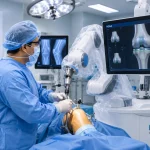
Robotic-assisted knee replacement uses computer-assisted planning and a robotic system to help the surgeon carry out selected steps of the operation. The surgeon remains responsible for every clinical decision and for performing the surgery.
Whether this approach suits you depends on the cause and severity of your knee problem, your examination and imaging, your general health, and how you have responded to non-surgical care. This guide explains each of these points in simple language.
What Is Robotic Knee Replacement Surgery?
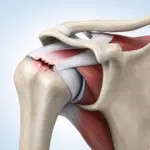
The knee is a hinge joint where the thigh bone, shin bone and kneecap meet. A smooth layer of cartilage covers these bones. In knee osteoarthritis, this cartilage slowly wears away. Bones can then rub against each other, causing pain, stiffness and swelling.
Knee replacement surgery, also called knee arthroplasty, replaces the damaged joint surfaces with implants made of metal and plastic. There are two main types:
- Total knee replacement: the surfaces of the whole joint are replaced.
- Partial knee replacement: only the damaged part of the knee is replaced.
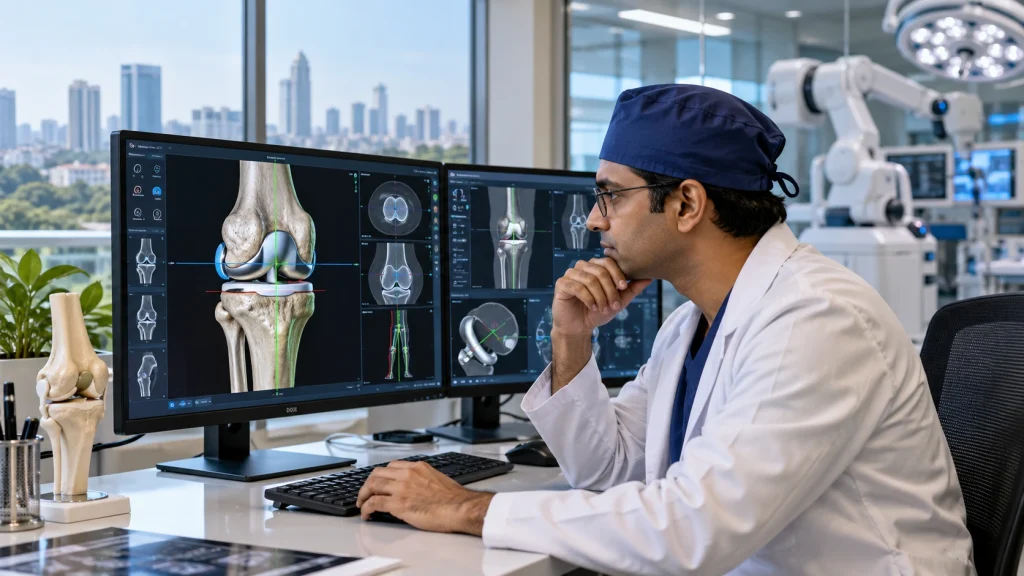
In robotic-assisted knee replacement, the surgeon adds computer-assisted planning and a robotic system to this operation. Before surgery, the team may use imaging to build a three-dimensional model of the knee, where the particular system supports it. During surgery, the system gives guidance or feedback for selected steps, such as bone preparation and implant positioning.
Robotic assistance is not autonomous surgery. The robotic system does not decide on its own and does not perform the whole operation. The surgeon plans the procedure, controls the process and is responsible for the outcome. Different robotic platforms use different technology and imaging methods, so they should not be treated as identical.
Who May Need Knee Replacement Surgery?
Surgeons may consider knee replacement when a person has:
- Advanced knee osteoarthritis
- Persistent pain that limits daily activities
- Stiffness and reduced movement
- Difficulty walking or climbing stairs
- Structural changes in the joint, such as bowing or severe cartilage loss
- Too little improvement with appropriate non-surgical treatment
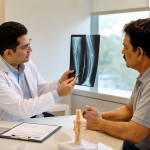
Knee pain alone does not mean you need a knee replacement. Many people manage well with exercise therapy, activity changes, weight management and medicines recommended by a doctor. When assessing you, a clinician may consider your symptoms, physical examination, X-rays, activity limits, earlier treatments and overall health.
Who May Be Suitable for Robotic Knee Replacement?
Suitability for robotic knee replacement depends on several factors:
- Severity and location of joint damage
- Whether a partial or total replacement is indicated
- Condition of the bone and soft tissues
- Overall medical fitness for surgery
- Your functional goals, such as walking comfortably or using stairs
- The surgical system available
- The surgeon’s assessment and treatment plan
Robotic assistance is not suitable or necessary for every patient. Some people are well served by conventional techniques. Only a clinical assessment can tell which option fits your knee.
How Does Robotic-Assisted Knee Replacement Work?
The exact steps vary by robotic system and surgical technique. In general, the process looks like this:
- Preoperative assessment: medical history, examination and appropriate imaging.
- Surgical planning: the surgeon prepares a plan based on your anatomy and the technology available.
- Intraoperative guidance: the robotic system provides guidance or feedback during selected steps, depending on the platform.
- Joint preparation: the surgeon prepares the damaged joint surfaces.
- Implant placement: the selected components are positioned according to the surgical plan.
- Postoperative care: pain management, monitoring, mobility exercises and rehabilitation.
Throughout the operation, the surgeon can adjust the plan based on what is found in the knee.
Potential Benefits of Robotic Knee Replacement
Depending on the system used, robotic assistance may offer:
- Patient-specific surgical planning
- Additional guidance during selected surgical steps
- Assessment of alignment and joint balance
- Support for consistent execution of the planned procedure
- Possible assistance with implant positioning
The clinical significance of these points varies, and research on long-term differences is still developing. Robotic assistance does not guarantee less pain, faster recovery, fewer complications, longer-lasting implants or better results for every patient. Outcomes depend on many factors, including the surgeon, your general health, implant selection, rehabilitation and the nature of the joint damage.
Robotic Knee Replacement vs Conventional Knee Replacement
| Factor | Robotic-Assisted Knee Replacement | Conventional Knee Replacement |
| Surgical planning | May use computer-assisted planning | Uses established preoperative planning methods |
| Intraoperative guidance | Robotic system assists selected steps | Surgeon uses conventional surgical instruments and methods |
| Surgeon involvement | Surgeon makes decisions and performs the operation | Surgeon makes decisions and performs the operation |
| Technology | Requires a compatible robotic platform | Does not require a robotic platform |
| Availability | Depends on facility and system access | Available in facilities offering conventional surgery |
| Cost | May be higher depending on the facility and technology | Depends on the hospital, surgeon and treatment plan |
| Recovery | Depends on several patient and treatment factors | Depends on several patient and treatment factors |
Neither method is universally superior. The right choice depends on your knee, your health and the options available to you.
Robotic Knee Replacement Cost in Bangalore
There is no single price that applies to every patient or hospital, so this article does not quote an average. Robotic knee replacement cost in Bangalore depends on several factors, summarised in Table B below:
- Partial or total replacement
- Robotic platform and technology charges
- Hospital room category and length of stay
- Surgeon and anaesthesia fees
- Implant type and brand
- Preoperative tests and consultations
- Other medical conditions that need additional care
- Physiotherapy and rehabilitation
- Postoperative medicines and follow-up
- Insurance coverage and policy terms
Is robotic knee replacement more expensive than conventional surgery? It can be, because of technology charges, but this depends on the facility and the treatment plan.
When you ask for a written estimate, request:
- The total package cost
- Services that are included and excluded
- Implant and technology charges
- Charges for additional hospital days
- Rehabilitation costs
- Insurance or reimbursement requirements
What Is Included in Knee Replacement Treatment in Bangalore?
Knee replacement treatment in Bangalore usually follows a care pathway like this:
- Initial orthopedic consultation
- Physical examination
- Imaging and medical investigations
- Assessment of non-surgical options
- Surgical planning, when indicated
- Pre-anaesthesia assessment
- Hospital admission and the operation
- Postoperative monitoring
- Physiotherapy
- Follow-up consultations
Services and inclusions vary by provider, so confirm what each package covers.
Risks and Limitations of Robotic Knee Replacement
Knee replacement is a widely performed operation, but every surgery carries risk. Possible risks include:
- Infection
- Blood clots
- Bleeding
- Stiffness
- Persistent pain
- Implant-related problems
- Nerve or blood vessel injury (uncommon but possible)
- Anaesthesia-related complications
- Need for further surgery in some cases
Robotic assistance may add system-specific considerations, such as problems with registration (matching your knee to the planning data) or equipment faults. The surgical team must be prepared to manage technical problems and continue safely. Robotic technology does not remove surgical risk. Your surgeon can explain how these risks apply to you.
How to Prepare for Robotic Knee Replacement
- Attend the recommended medical assessment.
- Share your medical conditions and medicine details.
- Discuss blood thinners and other medicines with the treating team. Do not change or discontinue any prescribed medicine without medical guidance.
- Complete the prescribed investigations.
- Follow instructions about food, drink and medicines before surgery.
- Arrange transport and support at home.
- Prepare a safe home, for example by removing loose rugs and cords.
- Ask about walking aids and the rehabilitation plan.
- Follow advice on quitting smoking and managing diabetes, if these apply to you.
Recovery After Robotic Knee Replacement Surgery
Recovery generally involves:
- Monitoring right after surgery
- Management of pain and swelling
- Early movement when medically appropriate
- Assisted walking and mobility training
- Physiotherapy and prescribed exercises
- Gradual improvement in daily activities
- Follow-up assessments
Factors that affect recovery include:
- Age and general health
- Muscle strength before surgery
- Type of replacement
- Surgical and medical factors
- Pain control
- Participation in rehabilitation
- Home support and following medical instructions
Using a robotic system does not by itself promise a faster recovery.
How Long Does Recovery Take?
Recovery differs substantially from person to person, so no guaranteed timeline exists.
- Early movement may begin soon after surgery, when appropriate.
- Walking aids may be needed at first.
- Driving, work and stair use should resume according to your surgeon’s advice and your progress.
- Strength, flexibility and endurance may keep improving over several months.
- Full functional recovery is not identical for everyone.
Table C (below) shows the general stages. They are not fixed timelines.
Physiotherapy After Knee Replacement
Rehabilitation helps with:
- Restoring knee movement
- Strengthening the muscles around the joint
- Improving balance
- Building confidence in walking
- Reducing stiffness
- Returning gradually to daily activities
Follow the programme your own healthcare team prescribes. Exercises that suit another patient may not suit you.
Robotic Knee Replacement Surgery in Bangalore
People researching robotic knee replacement surgery in Bangalore often compare surgical techniques, costs, hospital facilities, implant choices, recovery needs and consultation options. Whether you are looking for a robotic knee replacement surgeon in Bangalore, asking about robotic knee replacement cost in Bangalore, or comparing knee replacement treatment in Bangalore more broadly, these steps can help you evaluate options:
- Verify the surgeon’s qualifications and relevant clinical practice.
- Ask which robotic system is used and how it assists the procedure.
- Understand whether partial or total replacement is being considered.
- Request an itemised cost estimate.
- Ask about risks, alternatives, rehabilitation and follow-up.
- Confirm the hospital or surgical facility where treatment will take place.
Patients travel from different parts of the city, including JP Nagar, Jayanagar, Banashankari, Bannerghatta Road, Kanakapura Road and Electronic City. Dr. Vijay Kulkarni’s website lists consultation locations at Encore Speciality Clinics in Doddakallasandra and at KIMS Hospitals in Electronic City. Confirm with the clinic which location offers the consultation or procedure you need.
Why Consult an Orthopedic Surgeon for Knee Replacement?
A consultation helps with:
- Identifying the cause of your knee pain
- Assessing joint damage
- Reviewing your imaging
- Considering non-surgical treatments
- Deciding whether replacement is appropriate
- Comparing available surgical techniques
- Choosing a suitable implant and treatment plan
- Discussing expected benefits and limitations
- Planning rehabilitation and follow-up
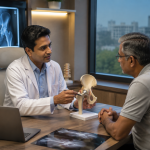
Dr. Vijay Kulkarni is an orthopedic surgeon whose listed clinical services include robotic knee replacement. His website lists his qualifications as MBBS, MS (Ortho) and a fellowship in joint replacement. As with any surgeon, you are welcome to ask questions about his clinical practice, the technology used and the alternatives to surgery.
When Should You Seek Medical Assessment for Knee Pain?
Arrange an orthopedic consultation if you have:
- Persistent knee pain
- Increasing stiffness
- Difficulty walking or climbing stairs
- Reduced daily activity
- Symptoms that do not improve with recommended treatment
- Imaging findings that suggest significant joint damage
Seek urgent medical attention if your knee becomes hot, red and markedly swollen with fever, if you have sudden severe pain, or if you cannot bear weight. These signs may point to a condition that needs prompt evaluation.
Tips for Maintaining Knee Health
- Stay regularly active in a way that suits you.
- Strengthen your muscles as advised.
- Maintain a healthy body weight where appropriate.
- Wear suitable footwear.
- Avoid sudden jumps in exercise intensity.
- Seek assessment for persistent pain.
- Follow prescribed treatment for arthritis and other conditions.
- Discuss suitable exercise and nutrition with a healthcare professional.
These steps support joint health, but they cannot always prevent osteoarthritis or remove the need for surgery.
Comparison Tables
Table A: Non-Surgical Care vs Knee Replacement Surgery
| Factor | Non-Surgical Care | Knee Replacement Surgery |
| Typical use | Symptoms that may be managed without surgery | Significant joint damage and symptoms when surgery is appropriate |
| Methods | Exercise therapy, activity modification, medicines or other clinician-recommended options | Replacement of damaged joint surfaces with implants |
| Recovery | Depends on the treatment and condition | Requires postoperative recovery and rehabilitation |
| Decision | Based on symptoms, examination and clinical needs | Based on symptoms, imaging, health, alternatives and patient goals |
Table B: Factors That Affect Robotic Knee Replacement Cost
| Cost factor | Why it matters |
| Type of replacement | Partial and total procedures may have different costs |
| Robotic technology | System and technology charges may vary |
| Implant selection | Implant specifications affect pricing |
| Hospital stay | Room category and length of stay affect the total |
| Investigations | Preoperative testing adds to the overall cost |
| Rehabilitation | Physiotherapy and follow-up may be charged separately |
| Insurance | Coverage depends on the policy and approvals |
Table C: Recovery Milestones
| Recovery stage | General focus |
| Early postoperative period | Monitoring, pain management and safe mobilisation |
| Initial rehabilitation | Walking support and prescribed movement exercises |
| Progressive recovery | Improving strength, movement and daily function |
| Longer-term recovery | Continued functional improvement and follow-up |
These are general stages, not guaranteed timelines. Your own recovery will depend on your health, the procedure and your rehabilitation.
Frequently Asked Questions
1. What is robotic knee replacement surgery?
Robotic knee replacement surgery is a knee replacement in which a surgeon uses computer-assisted planning and a robotic system to help guide selected steps of the operation. The surgeon still makes the clinical decisions and performs the procedure. The robotic system does not operate on its own. Whether this approach is suitable depends on the knee condition, imaging, general health and the technology available.
2. What is the robotic knee replacement cost in Bangalore?
There is no single robotic knee replacement cost in Bangalore that applies to every patient. The total depends on whether a partial or total replacement is planned, the implant, technology charges, hospital room category, length of stay, investigations, rehabilitation and insurance terms. Ask the hospital for a written, itemised estimate that lists what is included and excluded before you decide.
3. What are the benefits of robotic-assisted knee replacement?
Potential benefits include patient-specific surgical planning, additional guidance during selected steps, and help with assessing alignment and joint balance, depending on the system used. However, the clinical significance of these benefits varies, and robotic assistance does not guarantee less pain, faster recovery, fewer complications or longer-lasting implants. Results depend on the patient, the surgeon, the implant and rehabilitation.
4. Is robotic knee replacement better than conventional surgery?
Robotic knee replacement is not automatically better than conventional surgery. Both approaches are used to replace damaged joint surfaces, and in both the surgeon makes the decisions and performs the operation. The right choice depends on your joint damage, health, goals and the options available. Discuss the potential benefits, limitations and costs of each method with your orthopedic surgeon.
5. Who is suitable for robotic knee replacement?
Suitability depends on the severity and location of joint damage, whether a partial or total replacement is indicated, bone and soft-tissue condition, overall medical fitness, your goals and the surgical system available. Many people with knee pain do not need surgery. An orthopedic surgeon decides after examination, imaging and a review of the non-surgical treatments you have already tried.
6. How long does recovery take after robotic knee replacement?
Recovery varies widely between patients, so no fixed timeline applies to everyone. Most people begin supervised movement and walking soon after surgery when it is medically appropriate, and strength, flexibility and endurance often improve over several months. Driving, stair use and work should resume according to your surgeon’s advice and your progress. Using a robotic system does not by itself promise faster recovery.
7. Is robotic knee replacement surgery safe?
Knee replacement is a widely performed operation, but like any surgery it carries risks, including infection, blood clots, bleeding, stiffness, persistent pain, implant-related problems, anaesthesia complications and, in some cases, further surgery. Robotic assistance adds system-specific considerations and does not remove these risks. Your surgeon can explain your individual risks, based on your health and the planned procedure.
8. How can I consult a robotic knee replacement surgeon in Bangalore?
To consult a robotic knee replacement surgeon in Bangalore, check the surgeon’s qualifications, ask which robotic system is used, and request an itemised cost estimate. For Dr. Vijay Kulkarni, you can use the contact page on his website to arrange an orthopedic consultation. Bring your X-rays, reports and a list of medicines so the assessment can be thorough.
Conclusion
Robotic knee replacement uses technology to assist the surgeon, not to replace the surgeon’s judgement. It may help with planning and with selected surgical steps, but the importance of these advantages varies and outcomes cannot be guaranteed.
Suitability depends on your joint condition and overall health. Both robotic-assisted and conventional knee replacement can be appropriate options, and many people with knee pain do not need surgery at all. Cost varies by facility, implant, technology and care requirements. Recovery relies on pain management, early movement, rehabilitation and follow-up.
If you are considering robotic knee replacement surgery in Bangalore, discuss the risks, alternatives and expected outcomes with an orthopedic surgeon before making a decision.
Call to Action
If knee pain is limiting your walking or daily activities, you can contact Dr. Vijay Kulkarni’s practice to discuss your symptoms and whether a knee replacement assessment may be appropriate. Patients from across Bangalore, including JP Nagar, Jayanagar, Banashankari, Electronic City, Bannerghatta Road and Kanakapura Road, are welcome to book an orthopedic consultation through the contact page. Robotic surgery is not right for everyone, and your surgeon will review all suitable options with you.