If everyday movements like climbing stairs, standing up from a chair, or walking to the market have become painful, you may be wondering whether it’s time to see a specialist. Many patients searching for a trusted joint replacement surgeon in Vajarahalli are unsure whether their joint pain is simply age-related or a sign of something that needs medical attention. The truth is, joint damage rarely improves on its own, and recognizing the early warning signs can help you avoid unnecessary suffering and long-term mobility loss. This guide, prepared with insights from orthopedic best practices, explains exactly when joint pain crosses the line from “manageable” to “needs a specialist.”
You may need joint replacement surgery if you experience persistent joint pain lasting more than three months, pain that disturbs sleep, stiffness after rest, swelling, reduced range of motion, or difficulty walking despite medication and physiotherapy. An orthopedic evaluation can confirm the right treatment.
Joint replacement surgery becomes necessary when chronic joint pain no longer responds to conservative treatments like medication, physiotherapy, or lifestyle changes. Common warning signs include ongoing pain during activity or rest, morning stiffness, visible swelling, joint deformity, and a grinding sensation during movement. Conditions such as osteoarthritis, rheumatoid arthritis, and avascular necrosis often lead to this stage. Consulting an experienced orthopedic surgeon early allows for accurate diagnosis through physical examination and imaging, and helps determine whether conservative care can still help or whether procedures like knee, hip, or shoulder replacement are advisable for restoring mobility and quality of life.
Understanding Joint Replacement Surgery
Joint replacement surgery involves removing a damaged joint surface and replacing it with an artificial implant made of metal, plastic, or ceramic components. It is typically recommended when a joint has been so severely damaged by arthritis or injury that it no longer functions properly, and other treatments have failed to provide relief.
Joints that most commonly require replacement include:
- Knee
- Hip
- Shoulder
- Occasionally, elbow and ankle joints
Benefits of early treatment:
- Prevents further cartilage and bone deterioration
- Reduces the risk of joint deformity
- Improves surgical outcomes and recovery speed
- Helps maintain muscle strength around the joint
- Allows patients to return to an active lifestyle sooner
Patients across Vajarahalli, JP Nagar, and Jayanagar often delay evaluation, assuming joint pain is a normal part of ageing. While some wear and tear is expected, persistent or worsening pain should always be assessed by a specialist.
Early Warning Signs You Should Never Ignore
Recognizing these signs early can make a significant difference in treatment outcomes.
1. Persistent Joint Pain
Pain that lasts for weeks or months, rather than resolving with rest, is one of the clearest indicators of underlying joint damage.
2. Pain During Walking or Climbing Stairs
Discomfort while walking, climbing stairs, or getting up from a seated position often signals cartilage wear in the knee or hip joint.
3. Pain at Night or While Resting
When joint pain disturbs sleep or occurs even without movement, it usually indicates advanced joint deterioration.
4. Joint Stiffness
Stiffness, especially in the morning or after long periods of sitting, that takes more than 30 minutes to ease can point to arthritis.
5. Swelling and Inflammation
Ongoing swelling around a joint may indicate cartilage breakdown, synovial inflammation, or fluid accumulation.
6. Reduced Range of Motion
Difficulty fully bending, straightening, or rotating a joint affects daily tasks like squatting, reaching, or tying shoelaces.
7. Difficulty Performing Daily Activities
When routine tasks such as walking, dressing, or getting out of a car become challenging, joint function has likely declined significantly.
8. Joint Deformity
Visible bowing of the legs, joint misalignment, or asymmetry between joints is a sign of advanced arthritis.
9. Grinding, Clicking, or Locking Sensations
A grating or clicking feeling (crepitus) during movement suggests worn-out cartilage causing bone-on-bone friction.
10. Poor Response to Medications and Physiotherapy
If pain relievers, anti-inflammatory medication, and physiotherapy no longer provide adequate relief, surgical evaluation becomes necessary.
Common Conditions That Lead to Joint Replacement
- Osteoarthritis – the most common cause, resulting from gradual cartilage wear over time
- Rheumatoid Arthritis – an autoimmune condition causing chronic joint inflammation and damage
- Post-Traumatic Arthritis – arthritis developing after a fracture, ligament injury, or joint trauma
- Avascular Necrosis – loss of blood supply to bone, leading to bone tissue collapse
- Severe Cartilage Damage – from sports injuries, repetitive strain, or untreated joint conditions
Who Is at Higher Risk?
- Age-related wear and tear, typically after 50–60 years
- Obesity, which increases mechanical load on weight-bearing joints
- Previous injuries, including fractures or ligament tears
- Sports-related joint damage, especially in athletes with repetitive joint stress
- Family history of arthritis or joint disorders
- Inflammatory arthritis, such as rheumatoid or psoriatic arthritis
Diagnosis by an Orthopedic Specialist
An accurate diagnosis is essential before recommending any treatment. A thorough orthopedic evaluation typically includes:
- Medical history review, including symptom duration and lifestyle factors
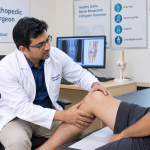
- Physical examination to assess swelling, alignment, and range of motion
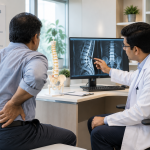
- X-rays to evaluate joint space narrowing and bone changes
- MRI to assess soft tissue, cartilage, and ligament damage
- CT scan for detailed bone structure imaging when needed
- Blood tests, particularly when inflammatory or autoimmune arthritis is suspected
Can Surgery Be Delayed?
Not every patient needs immediate surgery. Several conservative treatments can help manage symptoms and may delay the need for joint replacement:
- Lifestyle modifications — reducing high-impact activities
- Weight management — lowering stress on weight-bearing joints
- Physiotherapy — strengthening muscles that support the joint
- Pain medications — used under medical supervision for symptom control
- Activity modification — adapting movements to reduce joint strain
- Knee braces and supports — providing stability during daily activities
- Injection therapies, including:
- PRP (Platelet-Rich Plasma) injections
- Hyaluronic acid injections for joint lubrication
- Corticosteroid injections for short-term inflammation relief
These options can be effective in early to moderate stages, but they generally lose effectiveness once cartilage damage becomes severe.
When Joint Replacement Becomes the Best Option
Knee Replacement Surgery
Recommended when knee osteoarthritis causes severe pain, deformity, or instability that limits walking and daily function despite conservative treatment.
Hip Replacement Surgery
Considered when hip joint damage causes persistent groin or thigh pain, limping, or significant loss of mobility.
Shoulder Replacement Surgery
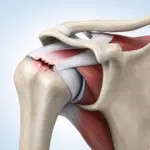
Advised for patients with severe shoulder arthritis or rotator cuff–related joint damage causing chronic pain and restricted arm movement.
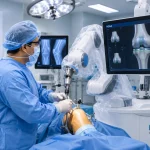
Robotic Knee Replacement
Uses computer-assisted precision to improve implant alignment, potentially leading to a more natural-feeling joint and faster recovery for suitable candidates.
Partial vs Total Knee Replacement
Partial knee replacement addresses damage limited to one compartment of the knee, while total knee replacement is used when arthritis affects the entire joint surface.
Recovery After Joint Replacement
- Hospital stay: Typically 2–4 days, depending on the procedure and patient condition
- Walking timeline: Most patients begin walking with support within 24–48 hours
- Physiotherapy: Structured rehabilitation starts early to restore strength and flexibility
- Returning to work: Desk-based work is often possible within 3–6 weeks; physically demanding roles may take longer
- Long-term outcomes: Most modern joint implants last 15–20 years or more with proper care
Tips to Protect Your Joints
- Engage in regular low-impact exercise like swimming or walking
- Maintain a healthy body weight to reduce joint stress
- Practice good posture during daily activities
- Strengthen muscles around major joints
- Use proper technique and protective gear during sports
- Seek early orthopedic consultation instead of waiting for symptoms to worsen
When to Consult an Orthopedic Surgeon
You should not wait for pain to become unbearable before seeking help. Consult a specialist if you experience joint pain lasting more than a few weeks, pain that disrupts sleep or daily activities, visible swelling or deformity, or if medications and physiotherapy no longer help. Early consultation with a joint replacement surgeon in Vajarahalli allows for timely diagnosis and a wider range of treatment options, including non-surgical approaches.
Comparison Tables
Arthritis vs Normal Ageing Joint Pain
| Feature | Normal Ageing Pain | Arthritis-Related Pain |
| Duration | Occasional, short-lived | Persistent, lasting weeks/months |
| Morning stiffness | Minimal | More than 30 minutes |
| Swelling | Rare | Common |
| Response to rest | Improves quickly | Often persists |
| Impact on daily activity | Minimal | Significant |
Early Symptoms vs Advanced Joint Damage
| Early Symptoms | Advanced Joint Damage |
| Mild pain during activity | Constant pain, including at rest |
| Occasional stiffness | Persistent stiffness and reduced motion |
| No visible deformity | Visible joint deformity |
| Good response to medication | Poor or no response to medication |
| Normal walking pattern | Limping or difficulty walking |
Conservative Treatment vs Joint Replacement
| Aspect | Conservative Treatment | Joint Replacement |
| Best suited for | Early to moderate joint damage | Severe, advanced joint damage |
| Recovery time | Minimal downtime | Weeks to a few months |
| Pain relief | Temporary to moderate | Long-term, significant |
| Invasiveness | Non-surgical | Surgical procedure |
| Long-term outcome | May require escalation later | Restores joint function |
Partial Knee Replacement vs Total Knee Replacement
| Feature | Partial Knee Replacement | Total Knee Replacement |
| Area treated | One knee compartment | Entire knee joint |
| Bone preserved | More natural bone retained | Less bone preserved |
| Recovery | Generally faster | Slightly longer |
| Suitable for | Localized arthritis | Widespread joint damage |
| Longevity | Good, may need revision later | Long-lasting |
Traditional Knee Replacement vs Robotic Knee Replacement
| Feature | Traditional Knee Replacement | Robotic Knee Replacement |
| Technique | Manual instrumentation | Computer-assisted precision |
| Implant alignment | Surgeon-dependent | Highly precise |
| Soft tissue handling | Standard | More controlled, less trauma |
| Recovery | Standard timeline | Often faster for suitable candidates |
| Personalization | Standard sizing | Patient-specific planning |
Conclusion
Joint pain that persists, worsens, or interferes with daily life should never be ignored. Recognizing early warning signs—from stiffness and swelling to reduced mobility and poor response to medication—can help you seek timely care before joint damage progresses. While conservative treatments can manage symptoms in early stages, advanced joint damage often requires surgical intervention for lasting relief and improved quality of life. A proper diagnosis from an experienced specialist is the first step toward making an informed decision about your treatment path.
Frequently Asked Questions:
1. How do I know if my knee pain needs surgery?
If your knee pain lasts for several months, worsens with activity, disturbs your sleep, or does not improve with medications and physiotherapy, you should consult an orthopedic surgeon for a detailed examination and imaging tests.
2. What is the best age for joint replacement surgery?
There is no fixed age for joint replacement surgery. The decision depends on the severity of joint damage, pain, and reduced mobility. While most patients are between 55 and 75 years, younger individuals may also benefit if medically necessary.
3. Is joint replacement surgery painful?
Modern anesthesia techniques and pain management protocols make joint replacement surgery largely pain-free. Mild discomfort after surgery is expected but is effectively controlled with medication and physiotherapy.
4. How long does recovery take after knee replacement?
Most patients begin walking with support within 1–2 days and return to routine activities within 6–12 weeks. Complete recovery and muscle strengthening may take 3–6 months.
5. Can joint replacement surgery be avoided?
In the early stages of arthritis, treatments such as physiotherapy, weight management, lifestyle changes, and injections may delay surgery. However, severe cartilage damage often requires joint replacement for lasting pain relief.
6. What is robotic knee replacement?
Robotic knee replacement uses computer-guided technology to improve surgical precision during bone preparation and implant placement, helping achieve better alignment and potentially faster recovery.
7. How long do knee or hip implants last?
Modern knee and hip implants generally last 15–20 years or longer, depending on the implant type, patient activity level, weight, and adherence to post-operative care.
8. What are the risks of delaying joint replacement surgery?
Delaying surgery can lead to worsening joint deformity, muscle weakness, reduced mobility, increased pain, and more complex surgery, potentially affecting recovery and long-term outcomes.
9. Is hip replacement a major surgery?
Yes, hip replacement surgery is a major procedure, but it has a high success rate. Advances in surgical techniques, anesthesia, and rehabilitation have made it safer and more effective than ever before.
10. Can young patients need joint replacement?
Yes. Younger patients with post-traumatic arthritis, avascular necrosis, congenital joint disorders, or severe sports injuries may require joint replacement earlier than those with age-related arthritis.
11. What tests are needed before joint replacement surgery?
Pre-operative evaluation typically includes X-rays, MRI (if required), blood tests, ECG, and a complete physical examination to assess joint damage and overall fitness for surgery.
12. How do I choose the right joint replacement surgeon?
Choose a surgeon with specialized orthopedic training, extensive joint replacement experience, access to advanced surgical technology, and a strong record of successful patient outcomes.
13. What is the difference between partial and total knee replacement?
Partial knee replacement treats arthritis affecting only one compartment of the knee while preserving healthy bone and ligaments. Total knee replacement replaces the entire damaged joint surface when arthritis is widespread.
14. Can physiotherapy alone treat severe arthritis?
Physiotherapy helps reduce pain, improve strength, and maintain mobility, but it cannot regenerate severely damaged cartilage. Advanced arthritis often requires surgical treatment for lasting relief.
15. When should I see a joint replacement surgeon in Vajarahalli?
If joint pain persists for several weeks, limits daily activities, causes stiffness, or fails to improve with home care and medication, consult a Joint Replacement Surgeon in Vajarahalli for an accurate diagnosis and personalized treatment plan.
Book Appointment
If you or a loved one in Vajarahalli, JP Nagar, Jayanagar, Banashankari, Bannerghatta Road, or Doddakallasandra is experiencing ongoing joint pain, stiffness, or mobility issues, don’t wait for the condition to worsen. Book a consultation with Dr. Vijay Kulkarni, an experienced orthopedic surgeon specializing in joint replacement, robotic knee replacement, and sports injury care, for an accurate diagnosis and a personalized treatment plan tailored to your needs.